























As we observe World Health Day 2024, it’s crucial to acknowledge the tangible progress made in enhancing global health outcomes. Amidst the ongoing challenges, there exists a tapestry of achievements reflecting humanity’s dedication to improving well-being worldwide. From substantial declines in child mortality to breakthroughs in infectious disease control and advancements in maternal healthcare, positive statistics on global health offer a compelling narrative of success and resilience. In this article due to World Health Day, we delve into key statistics that illustrate the remarkable advancements in health, underscoring the collective efforts and innovative strategies driving positive change across the globe.
Positive statistics about health
While global health challenges persist, significant progress has been made in many areas, leading to longer life expectancy, lower disease burdens, and improved healthcare access. Advancements in medical research, public health initiatives, and technology continue to drive positive outcomes, shaping a healthier future for communities worldwide. Statistics for World Health Day:
Decline in Child Mortality:
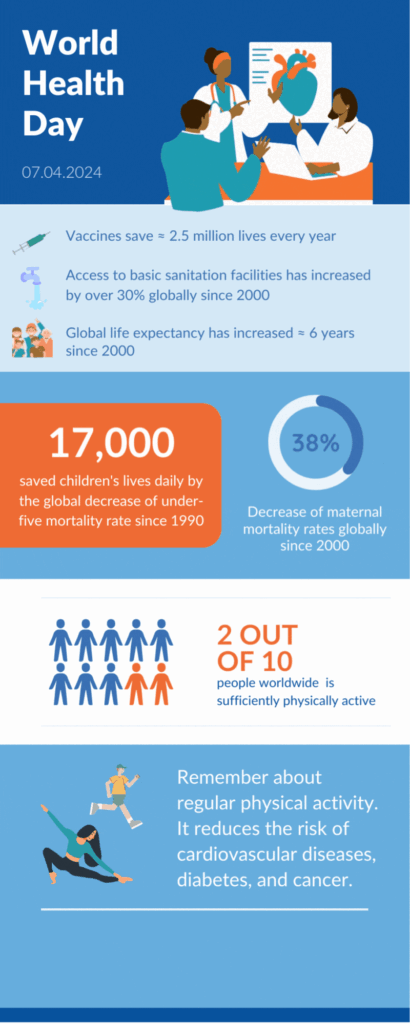
- Since 1990, the global under-five mortality rate has decreased by over 50%, saving approximately 17,000 children’s lives daily.1
Increased Life Expectancy:
- Globally, life expectancy has increased by approximately 6 years since 2000, from 66.8 years in 2000 to 73.4 years in 2019.2
Progress in Infectious Disease Control:
- Vaccination programs have led to the eradication of diseases like smallpox and significant reductions in polio, measles, and other vaccine-preventable illnesses.
- Vaccines save 2-3 million lives every year.3
Advancements in Maternal Health:
- Maternal mortality rates have declined by around 38% globally since 2000, thanks to improved access to maternal healthcare services. 4
Improvements in Sanitation:
- Access to basic sanitation facilities has increased by over 30% globally since 2000, reducing the spread of waterborne diseases.5 6
Combatting HIV/AIDS:
- Increased access to antiretroviral therapy has led to a decline in HIV/AIDS-related deaths, improving the quality of life for millions living with the virus. 7
- Increased access to antiretroviral therapy has led to a decline in HIV/AIDS-related deaths, with approximately 15 million people receiving treatment globally. 8
Reduced Tobacco Use:
- Tobacco use prevalence has decreased globally, with many countries implementing effective tobacco control policies, leading to improved respiratory health outcomes.
- Tobacco use prevalence has decreased globally, with over 1 billion fewer people smoking today compared to 2000 (and 19 million fewer smokers than recorded in 2022), leading to improved respiratory health outcomes.9
Healthier Lifestyles:
- Awareness campaigns promoting healthy lifestyles have led to increased physical activity levels and improved nutrition in many populations.
- Awareness campaigns promoting healthy lifestyles have led to increased physical activity levels, with approximately 1 in 5 adults meeting the recommended levels of physical activity.
- Regular physical activity reduces the risk of cardiovascular diseases, diabetes, and cancer. 10
Healthcare Innovation:
- Advances in medical technology, telemedicine, and precision medicine are revolutionizing healthcare delivery, improving diagnosis, treatment, and outcomes for patients worldwide.
- Advances in medical technology, telemedicine, and precision medicine are revolutionizing healthcare delivery, with over 80% of healthcare organizations globally investing in digital health technologies to improve patient care. 11
These positive trends showcase the progress made in global health and highlight the potential for further advancements in improving health and well-being worldwide.
Infographics due to World Health Day 2024
Below World Health Day infographics highlight key advancements in global health, showcasing improvements in life expectancy, reduced mortality rates, and increased access to medical care. They present data on the impact of preventive measures, innovations in diagnostics and treatment, and the role of clinical research in shaping a healthier future.
As we celebrate World Health Day 2024, it’s clear that progress in healthcare relies on collaboration, innovation, and a commitment to improving global well-being. At Medicover Integrated Clinical Services, we support these efforts through high-quality diagnostics, clinical research, and patient-centered solutions. By advancing medical science and ensuring access to reliable healthcare services, we contribute to a healthier future for all.
Author: MICS Editorial Team
FAQ
1. What is the purpose of World Health Day?
World Health Day, celebrated annually on April 7, aims to raise global awareness of key health issues and encourage collective action to promote well-being and equitable healthcare access for all.
2. What is the theme of World Health Day 2024?
The 2024 theme is “My Health, My Right,” emphasizing the right of every person to access quality healthcare, safe environments, clean water, nutritious food, and essential medicines.
3. How has global life expectancy changed in recent decades?
According to WHO, global life expectancy has increased by about 6 years since 2000 — rising from 66.8 years to 73.4 years, reflecting significant progress in disease prevention and healthcare accessibility.
4. What are some major public health achievements highlighted on World Health Day?
Notable improvements include a 50% reduction in child mortality, expanded vaccination programs, a 38% decline in maternal deaths, and increased access to sanitation and HIV treatment worldwide.
5. How does clinical research contribute to global health improvements?
Clinical research drives innovation in diagnostics, treatments, and vaccines — ensuring that new therapies are safe, effective, and accessible. It plays a critical role in combating infectious and chronic diseases globally.
6. How is Medicover Integrated Clinical Services involved in supporting global health?
Medicover MICS contributes through high-quality diagnostics, clinical laboratory services, and patient-centered research solutions, all designed to enhance global healthcare quality and accessibility.
Sources: