



















1. What are Rare and Orphan Diseases?
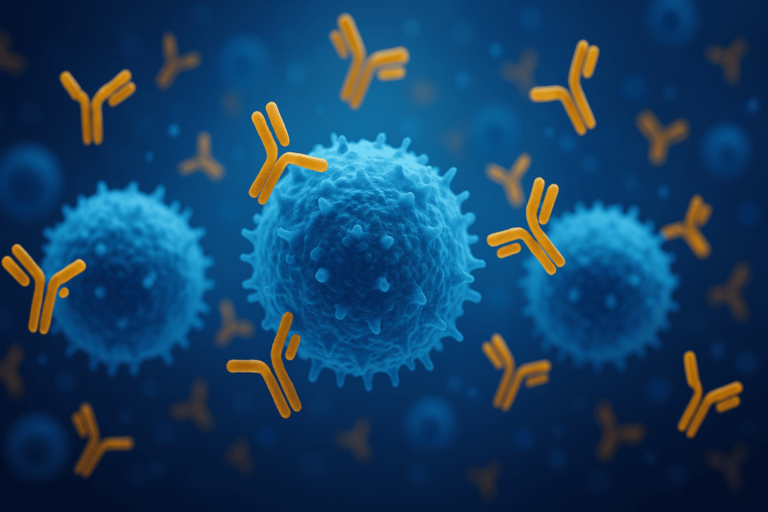
Rare diseases, colloquially known as ‘orphan diseases,’ represent a health concern for a small fraction of the population, typically defined as fewer than 1 in 2,000 people within the EU context. With this minuscule patient base, these conditions extend beyond their low prevalence, characterized by an array of disorders and a spectrum of symptoms that vary not only across different diseases but within the same disease as well.
Orphan diseases are indicative of the scarcity in resources and support they frequently encounter—be it in medical innovation or governmental health policies. Nevertheless, the importance of advocacy for these patients is undeniable. It incites the progression of clinical trials and research, both paramount in piecing together the puzzle of these conditions and carving paths to potential cures.
- Rare diseases affect fewer than 1 in 2,000 individuals in the EU.
- Wide-ranging disorders and symptoms complicate diagnosis and treatment.
- ‘Orphan’ indicates the lack of medical and governmental support.
- Advocacy is vital for propelling research and clinical trials.
In conclusion, the struggle against rare and orphan diseases is steeped in complexity, but their profound impact on patients and the healthcare system necessitates targeted advocacy and research efforts.

2. Orphan Disease vs Rare Disease
Often used interchangeably, the terms ‘orphan disease’ and ‘rare disease’ refer to medical conditions that touch a relatively small number of people. However, the ‘orphan’ label delves into the absence of substantial market allure for pharmaceutical companies to develop treatments, given the small patient numbers.
Despite these obstacles, increased awareness and a deeper understanding of these diseases are fundamental for spurring the creation of innovative treatments. This progress is bolstered by inducements such as market exclusivity and regulatory backing stemming from orphan drug legislation. Clinical trials tailored to rare and orphan diseases often incorporate cutting-edge methodologies, adopting adaptive trial designs and creating patient registries to enrich the search for novel treatments.
- Orphan diseases affect a small population segment and lack market incentives for drug development.
- Both types of diseases endure similar research and clinical trial challenges.
- Incentives and regulatory aid drive the development of new treatments.
- Clinical trials employ advanced methods to enhance efficiency and results.
The pursuit of treatment for rare and orphan diseases is a testament to the resilience of the healthcare community in overcoming inherent challenges through innovation and steadfast research.
3. How are Rare and Orphan Diseases Diagnosed?
Diagnosing rare and orphan diseases is akin to navigating a labyrinth; patients frequently endure a ‘diagnostic odyssey’ spanning years before receiving an accurate diagnosis. Specialist knowledge and sophisticated genetic testing—many of these disorders have genetic underpinnings—are often requisites for uncovering these elusive conditions.
The collaborative power of multidisciplinary teams is pivotal in this journey, marrying expertise from diverse healthcare fields to pinpoint the diseases accurately. Cutting-edge tools, such as whole exome sequencing and genome mapping, have revolutionized the diagnostic landscape, unveiling previously obscured diseases.
- Diagnostic odysseys are common among patients with rare and orphan diseases
- Genetic testing and specialist knowledge are key to diagnosis.
- Multidisciplinary teams play a crucial role in identifying diseases.
- Technological advancements like genome mapping are instrumental in diagnosis.
Ultimately, achieving an early and precise diagnosis isn’t just a win for patient management; it paves the way for involvement in clinical trials, offering a beacon of hope where once there might have been none.
—
In the shadow of more prevalent diseases, rare and orphan conditions loom, marked by a pressing need for medical and societal acknowledgement. Through steadfast research and the advent of clinical trials targeted at these diseases, there lies potential for breakthroughs that could redefine the quality of life for patients affected by these enigmatic conditions. It is in understanding these diseases that we not only lift the veil of neglect but also reinforce the tenets of compassion and innovation in the realm of healthcare.
FAQ about rare and orphan diseases
1. What is a rare disease?
In the European Union, a rare disease is defined as one that affects fewer than 1 in 2,000 people. In the United States, a condition is considered rare if it affects fewer than 200,000 individuals nationally. Despite their rarity, there are over 6,000 identified rare diseases globally.
2. What is the difference between a rare and an orphan disease?
While both terms overlap, “orphan disease” emphasizes the lack of commercial interest and investment in research or drug development for that condition, due to its limited patient population. “Rare disease” simply refers to the low prevalence within the population.
3. Why are rare diseases difficult to diagnose?
Rare diseases often have nonspecific or overlapping symptoms, leading to delayed or incorrect diagnoses. Many are genetic, requiring advanced molecular tools such as genome sequencing and exome testing for proper identification.
4. How do clinical trials work for rare and orphan diseases?
Because of small patient populations, clinical trials often use adaptive or decentralized designs, patient registries, and international collaboration. Regulatory agencies offer incentives like accelerated approval and market exclusivity to encourage research.
5. What support exists for developing orphan drugs?
Programs such as the EU Orphan Medicinal Products Regulation and the U.S. Orphan Drug Act provide benefits like fee reductions, tax credits, and 10 years (EU) or 7 years (US) of market exclusivity for approved therapies.
6. What is the global impact of rare and orphan disease research?
Research in this area not only brings hope to underserved patient populations but also advances medical science broadly — insights gained from studying rare diseases often lead to breakthroughs benefiting more common conditions.
References
- Rare Diseases, World Health Organization (WHO), Accessed: 21 October 2025.
- Orphan Drug Regulation (Regulation (EC) No 141/2000), European Commission, Accessed: 21 October 2025.
- Rare Diseases: Facts and Statistics, EURORDIS – Rare Diseases Europe, Accessed: 21 October 2025.
- Developing Products for Rare Diseases & Conditions, U.S. Food and Drug Administration (FDA), Accessed: 21 October 2025.
- International Rare Diseases Research Consortium (IRDiRC), International Rare Diseases Research Consortium (IRDiRC), Accessed: 21 October 2025.
- The Orphanet Report Series: Prevalence and Incidence of Rare Diseases, Orphanet, Accessed: 21 October 2025.