

















|
Getting your Trinity Audio player ready...
|
Every year on May 20th, the world celebrates Clinical Trials Day, honouring the people and processes that make medical progress possible. The date marks the anniversary of James Lind’s famous study on scurvy. In 1747, on board HMS Salisbury, he carried out one of the first controlled clinical trials recorded in medical science. Over 275 years later, the landscape of clinical research has transformed, but its core purpose remains unchanged: to help patients live longer, healthier lives.1,2,3
Why clinical trials matter ?
Clinical trials are at the heart of medical innovation. They are how we discover new therapies, improve existing treatments, and bring hope to patients facing conditions that still lack effective care. Thanks to the thousands of professionals working behind the scenes, research becomes real-world solutions – from rare diseases to chronic conditions, from oncology to precision medicine.
Every year, thousands of clinical trials are launched around the world. As of May 2025, over 535,000 clinical studies are registered on ClinicalTrials.gov, with more than 66,000 actively recruiting participants.4 In the European Union, the EU Clinical Trials Register lists over 44,000 trials, with high activity in oncology, neurology, and rare diseases.5 The United States remains a global hub, but growth in Asia, Central and Eastern Europe, and Latin America underlines the global nature of today’s research ecosystem.
For sponsors, CROs, and healthcare professionals, trials are more than data points. They are milestones in the journey toward better health.
Clinical trials day – it all starts with an idea
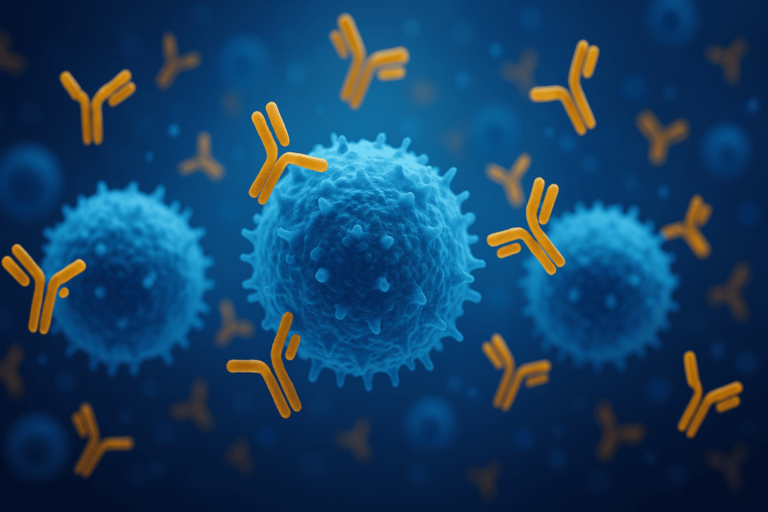
Before a clinical trial can begin, a new idea must emerge – often in a research lab or biotech start-up. Scientists, biologists, and medical researchers in Pharma and Biotech companies dedicate years to understanding diseases and developing molecules with potential to become life-changing therapies. Their innovation is the spark that starts the clinical journey, turning scientific discovery into clinical reality.
The people who make it happen
Behind every successful clinical trial is a team of dedicated individuals – often spread across continents, time zones, and functions. At Medicover Integrated Clinical Services, we see this every day.
- In our Site Management Organisation (SMO), medical doctors, study coordinators, and nurses work directly with patients across trial sites in Poland and Germany. Their clinical expertise, combined with strong patient communication and site management skills, ensures both ethical conduct and successful recruitment.
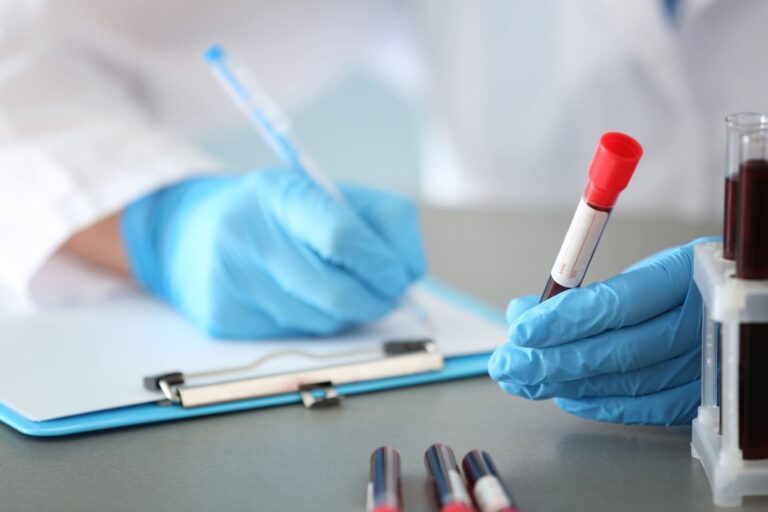
- Our Central Laboratory Services (CLS) bring together laboratory technologists, clinical research project managers, sample coordinators, stock, production and logistics specialists, operational teams, and our proposal and business development team. Each plays a critical role in designing and delivering laboratory solutions – from sample handling to result reporting and client communication.
- Within Companion Diagnostics and Precision Medicine, our teams of diagnosticians, molecular biologists, laboratory experts, and data analysts work together to support precision-driven approaches. They help identify the right patients for the right therapies, making personalised medicine a reality.

And beyond our internal teams, we acknowledge the thousands of investigators, site staff, couriers, and data managers worldwide – all of whom make clinical trials possible through their daily work and dedication.
Clinical Trials Day is an opportunity to acknowledge their contribution – not only to science, but to the lives of real patients.
Looking Ahead: The Future of Clinical Research
The future of clinical trials is more connected, more patient-centric, and more decentralised. With the rise of Decentralised Clinical Trials (DCTs), remote monitoring, real-world data, and digital tools, the way we conduct research is evolving.
At MICS, we continue to support these changes by offering flexible laboratory models, patient-friendly logistics, and digital tools like LabOne to track sample progress and streamline operations.
Clinical Trials Day – one day, countless contributions.
Clinical Trials Day is just one day on the calendar, but its message is timeless: clinical research matters, and so do the people behind it.
Today, we thank all those who make clinical trials possible – and we renew our commitment to supporting meaningful, patient-centred research every day.
Planning a clinical trial? Let’s talk. Share your details and our team will reach out.
References
- Tröhler, U. (2003). James Lind and the evaluation of clinical practice. Journal of the Royal Society of Medicine, 96(12), 594–598. James Lind and the evaluation of clinical practice. – The James Lind Library The James Lind Library , accessed: 19.05.2025
- About Clinical Trials Day, Association of Clinical Research Professionals, accessed: 19.05.2025
- James Lind: The man who helped to cure scurvy with lemons, BBC, accessed: 19.05.2025
- U.S. National Library of Medicine, accessed: 19.05.2025
- EU Clinical Trials Register, accessed: 19.05.2025
FAQ regarding Clinical Trials Day
1. What is Clinical Trials Day and why is it celebrated?
Clinical Trials Day is observed on May 20 each year to commemorate James Lind’s study on scurvy from 1747, considered one of the first controlled clinical trials. It’s a day to recognise the people involved in research and their contributions to advancing medicine.
2. Who are the key contributors behind a clinical trial?
A clinical trial involves a diverse team, including scientists and researchers who design the molecule, medical doctors and study coordinators at sites, laboratory experts handling sample logistics, and specialists in precision medicine and diagnostics. Each plays a critical role in ensuring trial quality, safety, and success.
3. How are central labs involved in clinical trials?
Central labs manage the collection, transport, analysis, and reporting of biological samples. They ensure standardisation and quality across trial sites, enabling consistent data and reliable results – especially important in multicentre and decentralised trials.
4. What are Decentralised Clinical Trials (DCTs) and how do they affect the trial process?
DCTs use digital tools, remote monitoring, and local services to reduce the need for patients to travel to trial sites. From the sponsor’s perspective, DCTs can increase patient access, improve retention, and enhance flexibility – but they also require strong logistical and lab support.