















|
Getting your Trinity Audio player ready...
|
What are Biospecimens and who is Biospecimen Providers?
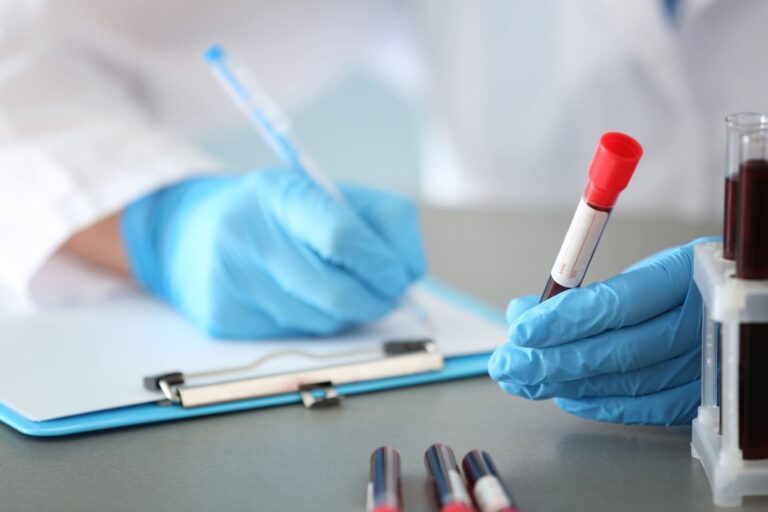
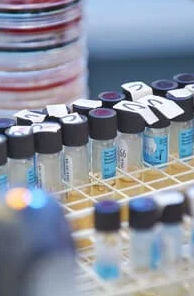
A biospecimen provider is an entity responsible for sourcing, handling, and distributing human biological materials such as tissue, blood, and urine for biomedical research purposes. These materials are critical for advancing medical and scientific understanding and are typically collected during diagnostic tests or medical procedures.
A human biospecimen is any natural material from the human body, such as tissue, blood, and urine. Biospecimens are usually obtained during a diagnostic test or a medical procedure. Human biological sample are a valuable resource and are essential to biomedical research. They must be collected, stored, tracked, and used according to the highest scientific and ethical standards. These guidelines provide a framework for Medicover Integrated Clinical Services (MICS) for properly handling human biospecimens, maximizing their use in research, mitigating possible risks, as well as ensuring subject or patient rights and safety.
Importance of Choosing the Right Biospecimen Provider
The correct choice of a biospecimen provider is crucial to securing your research project’s success. Bridging the gap to transition from preclinical biomarker assays into clinical settings may be easier when partnering with a good biospecimen provider. The importance of strictly establishing post-collection conditions, especially in cases of multi-centre studies, cannot be overstated. When choosing a biological sample. provider, it is essential to discuss and evaluate the capability of a potential provider to comply with such requirements and assess their experience in shipping biomaterials worldwide, in regards to both safety and adequate material preservation.
Biospecimen Sourcing and Biomarker Integration at MICS
High-quality biological sample sourcing at MICS for assay development and biomarker point-of-care is key to success in clinical settings. For successful biomarker-driven clinical development, proactive planning to fully integrate clinical design and execution with a clear biomarker-informed development plan is required. Preclinical data are both a valuable and essential part of biomarker discovery, validation, and proof of concept, and a strong preclinical biomarker approach will contribute to trial success.
Addressing how to generate the biomarker data needed to progress therapeutic development is crucial. Additionally, maintaining engagement between discovery and clinical biomarker and operations teams is necessary to ensure that preclinical biomarker assays are effectively translated into clinical assays. Thus, researchers shall benefit from high-quality biospecimens sourced by MICS when bridging results between pre-clinical and clinical studies.

Cell and Gene Therapy considerations
In the realm of cell and gene therapy, the quality of biospecimens plays a critical role in research and development. These advanced therapies rely on precise cellular and genetic information. The success of cell therapies, such as CAR-T treatments, and gene therapies, depends heavily on the integrity and accuracy of the biological materials used. MICS ensures that all biospecimens are handled with the utmost care, providing reliable materials that can significantly influence the success of therapeutic development. Moreover, the ability to source and maintain viable cells and genetic material is essential for the reproducibility of results and the advancement of these cutting-edge treatments.
Ethical Principles in Biospecimen Research
Respect for Donors
The three major ethical principles should be followed when conducting research involving human subjects. The first of these principles is respect for donors. This principle implies that all subjects entering a study must be treated with respect. They shall do this voluntarily after being provided with adequate information regarding the research process. At MICS, this principle is secured through the Informed Consent Form (ICF) signed by the donor or next of kin.
Beneficence Principle
The second ethical principle that guides our work with biological samples is the principle of beneficence, which ensures that no subject has been harmed while donating biological material or while participating in a research study. This principle implies that the collection of biospecimens must not compromise in any way their diagnosis or treatment nor cause any unnecessary harm to the donor.
Justice Principle
Finally, the principle of justice ensures that biomaterials and sample data are used reasonably. Ensuring that your provider collects tissue, biofluids, or medical data according to these principles is crucial before engaging in a contract. Choosing MICS as your biospecimen provider is choosing high-quality samples collected with respect.
Collaboration and Communication
A good biospecimen procurement partner will guide you through and assist you in adjusting your collection’s design to fit your research needs. Collaboration and straightforward communication are crucial for the advancement of your project. If you are interested in learning more, get in touch with our BD Team. Your scientific questions are most welcome, and we will be happy to help you.
By focusing on the importance of biological sample, adhering to ethical principles, and ensuring seamless integration of biomarkers and therapeutic development, MICS stands out as a reliable partner for your research needs. Let us help you secure the success of your project with our high-quality biospecimen services.
FAQ
1. Why is selecting the right biospecimen provider important for research success?
The quality, handling, and ethical collection of biospecimens directly influence research reliability and reproducibility. The right provider ensures proper collection, processing, storage, shipping, and documentation, reducing risks that could compromise study outcomes.
2. What types of human biospecimens are commonly used in biomedical research?
Common biological samples include tissue, whole blood, serum, plasma, urine, saliva, and cellular material. These samples support diagnostics, biomarker discovery, pharmacogenomics, and therapeutic development.
3. What logistical capabilities should a biospecimens provider have for global studies?
A provider should offer validated shipping processes, cold-chain logistics, international regulatory knowledge, and preservation methods that protect sample integrity. This is especially critical in multi-center trials.
4. How does biospecimen quality impact biomarker research and assay development?
High-quality, well-preserved specimens improve reliability when translating preclinical biomarker assays into clinical applications. Poor-quality samples may lead to inconsistent results, false negatives, or delayed trial progression.
5. What ethical principles should be followed when collecting human ?
Ethical frameworks typically include:
– Respect for donors through informed consent
– Beneficence to prevent harm
– Justice to ensure fair and reasonable use of specimens and data
Compliance protects patient rights and upholds research integrity.
References
- “Ethical and Regulatory Considerations – Biorepositories” — NCBI Bookshelf, Accessed: 21 October 2025.
- “Biospecimen Best Practices” — National Cancer Institute (NCI), Accessed: 21 October 2025
- Biospecimens and Biobanking in Global Health. National Center for Biotechnology Information (NCBI) – PubMed Central. Access date: 21.10.2025
***
Author of this article
Izabela Juszko, Business Development Manager at Medicover Integrated Clinical Services
Published Date: July 2024