
















Addressing these complexities not only ensures compliance with regulatory requirements but also helps in planning clinical processes effectively and selecting the right partners for microbiological research. In this article, we delve into the common challenges faced in clinical microbiology (CM) and their implications for trial success.
Common Challenges of Clinical Microbiology in Clinical Trials
1. Sourcing Samples for Clinical Microbiology Studies
Sourcing samples is a critical component of clinical microbiology studies. It involves obtaining both positive and negative control samples to ensure the validity of tests. The quality and integrity of these samples directly impact the reliability of study results, and challenges can arise in securing appropriate sources.
2. Manual vs. Automatic Testing Methods in Clinical Microbiology
The choice between manual and automated testing methods can significantly influence the clinical microbiology study process. While automated methods can enhance efficiency and consistency, many sponsors still require manual testing due to specific study protocols or regulatory considerations. Understanding the advantages and limitations of each method is essential for laboratories to meet study demands.
3. Controlled Temperature Transportation
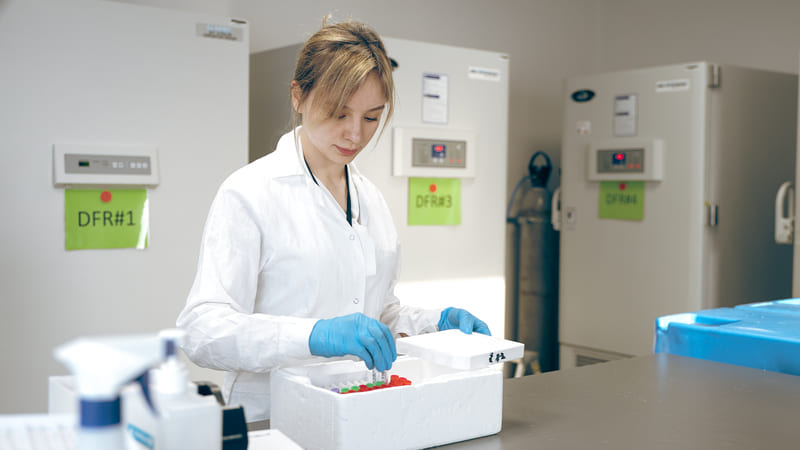
Ensuring that samples are transported at controlled and proper temperature (for maintenance of samples stability) is critical in clinical microbiology. This includes monitoring and downloading temperature logs from data temperature logger. When samples are placed in validated boxes, this requirement may not need explicit confirmation from the sponsor.
We ensure the highest standards of sample transport between our sites and laboratories by using reusable packaging that meets all IATA standards and requirements.
4. Short Stability of Materials
Many microbiological materials used in clinical microbiology, e.g. for production of sets like bottles have a limited stability period, often less than six months. This necessitates timely shipment of kits to study sites, especially if specific requirements from the sponsor dictate their use.
5. Microorganisms Bank Management
Maintaining an accurate bank of microorganisms is essential for the validity of clinical microbiology studies. This includes proper management of samples and ensuring they meet all regulatory standards.
6. Sample Plating Requirements
Many CM studies require that sample plating be performed manually, regardless of the laboratory’s capabilities. This requirement can present operational challenges and necessitates thorough training and method validation to ensure accuracy. It is worth remembering that such validations additionally extend the time to start the study.
7. Laboratory Requirements
Each clinical microbiology study may have unique requirements regarding the tools and methodologies to be used in the laboratory. Sponsors often specify the methodologies employed, making it crucial to follow these guidelines closely to maintain compliance and accuracy.
8. Loop Method Validation
Validation of loop methods is a specific requirement in clinical microbiology that underscores the precise nature of these studies. Ensuring that the loops used for plating are properly validated is essential for obtaining reliable results.
9. Gram Staining and Disc Diffusion QC
While urine Gram staining and disc diffusion for antibiotic testing are typically not required, some sponsors may request them in clinical microbiology studies. This can be challenging, as laboratories may not have the capacity to perform these tests consistently. In addition, some customers may require additional checks, which changes the frequency of this process in the laboratory.
10. Method Validation for New Tests
Introducing new tests in clinical microbiology requires careful method validation to ensure reliability and accuracy. This process can be resource-intensive and time-consuming.
Read more about validation of analytical process.
11. Flexible Working Hours
Many clinical microbiology studies require activities to be performed outside of standard working hours, including weekends. To accommodate this, it is necessary to provide 24-hour standby support.
12. Adhering to Special Requirements
Compliance with specific sponsor/client requirements, such as using microbiological internal forms, adds another layer of complexity to clinical microbiology studies. This often requires additional documentation during the setup and ongoing phases of the study.
13. Logistics and Stock Management
Utilizing premium couriers for timely delivery within lab working hours and ensuring the stability of samples during transport are essential in clinical microbiology. Additionally, managing registrations, releases, storage, and invoicing systems requires meticulous attention to detail.
14. Monitoring Visits
Conducting monitoring visits multiple times per study can strain resources in clinical microbiology. Effective project management (PM) support is crucial for ensuring that all aspects of the study are addressed.
15. Handling Non-numeric Results
Non-numeric results can pose challenges for formal checks and translations in clinical microbiology, often requiring additional time and resources to prepare.
Conduct microbiology studies with Medicover Integrated Clinical Services
Addressing the challenges inherent in clinical microbiology studies is essential for the success of clinical trials. By understanding and proactively managing these obstacles, researchers can enhance the quality and reliability of their findings. At Medicover Integrated Clinical Services, we are dedicated to navigating these complexities in clinical microbiology, providing comprehensive support throughout the clinical trial process. Learn more about our capabilities in microbiology studies.
If you’re looking for expertise in clinical microbiology for your clinical trials, contact us today to learn how we can assist you in overcoming these challenges and ensuring the success of your research.
Are you planning to conduct microbiology studies?
Author: Joanna Karaś, MICS Editorial Team.