



















Each biological sample is a fundamental component of clinical trials. The complexity of collecting material, laboratory sample journey, and maintaining its stability requires appropriate tools, harmonized processes, and trained personnel. While each process can be organized, unexpected situations may arise that can impact the entire laboratory sample journey. It is in these moments that attention to detail becomes crucial, distinguishing one vendor performance from another. Another key factor influencing the seamless progress of the trial is the smooth cooperation between the Sponsor/CRO and the Central Lab. This collaboration defines the path for the optimal advancement of the trial.
In this article, we focus on laboratory sample journey and management – how the material is collected, placed in the appropriate packaging, delivered to the right location, and within the set time frames. We will begin by explaining the basics and fundamentals of the process, outlining the each laboratory sample journey undergoes to add value to every clinical trial.
The process of laboratory sample journey in clinical trials
Before delving into the laboratory sample journey , it is important to understand how the trial setup process works, which documents are essential, and the roles of the Sponsor, CRO, and Central Lab. The setup phase is a critical stage of the study. When done properly, it ensures the laboratory samples are correctly prepared, handled, and their journey is safer and more efficient.
Setup of the trial at Central Laboratory
The first and most important document at the start of the study setup is the Study Protocol. It is a comprehensive document, prepared by the Sponsor or CRO, that outlines the objectives, design, methodology, statistical considerations, and organization of a clinical trial. When the study begins, the Study Protocol is provided to the Central Lab, which conducts a thorough review to understand the laboratory requirements specified for the trial. This includes identifying the required tests and their specific parameters. The laboratory sample journey has not started yet.
Based on the Protocol and the signed budget agreement, an Analytical Plan is developed. This document serves as the foundation for all laboratory-related activities within the study. It is customized to the study’s specific requirements and includes detailed information such as:
- The list of required tests and their timelines.
- The number and structure of visits.
- The design and composition of sample collection sets
- The data structure and database configuration for result tracking and reporting.
The Analytical Plan ensures that all laboratory processes are aligned with the Protocol and that sample collection kits are assembled appropriately.
How is the design of each sample collection established?
The design of each collection set is established based on the Analytical Plan (AP), which is approved by the Sponsor. This process takes into account the specific tests required for the study, allowing the selection of appropriate tubes and materials for sample collection. Key factors considered include the type of biological material to be collected, packaging materials, transport temperature, and transportation conditions, ensuring all requirements are known and addressed during the design phase.

The following process is based on the experience and services currently provided by Medicover Integrated Clinical Services. These practices have been tested and approved by our global partners, ensuring reliability and compliance with the highest industry standards.
The Assembly Team produces custom collection kits tailored to the specific needs of each clinical trial. These kits are designed to minimize pre-analytical errors and maintain sample integrity throughout transportation. Key features of the collection setup include:
- Custom-built to meet protocol and visit requirements
- Pre-formatted air waybills (AWBs) to reduce paperwork at the collection site.
- Customized laboratory requisition forms
- Pre-labeled collection tubes, to minimize labeling errors
- Comprehensive specimen collection and handling instructions provided in a detailed brochure.
Once the kits are assembled, logistics processes are designed to include secure transportation and storage. This ensures that the kits are delivered to clinical trial sites worldwide in a timely and controlled manner.
Our collection sets stand out for the ease of sample collection, prioritizing patient comfort and maintaining sample integrity. Depending on study-specific requirements, there are two types of kits:
1 – Routine Kits: These are designed for standard sample collection and ensure accuracy and ease of use for healthcare professionals.
2 – Specialized Kits: These are developed for studies requiring advanced efficacy parameter testing, such as pharmacokinetics (PK), anti-drug antibodies (ADA), and biomarker analysis.
Contact us today to get a quote for your clinical research. We response in 24 hours.
Both types of kits include essential components:
- Sample Containers: Carefully selected to suit different sample types and meet safety and regulatory standards.
- Labels and Barcoding: Unique barcodes are applied to ensure accurate laboratory sample journey traceability and data precision.
- Detailed Instructions: Clear and concise guidelines for healthcare professionals or patients on proper sample collection and handling.
- Safety Supplies: Necessary safety materials, such as gloves, disposable gowns, and biohazard bags, are provided. Kits comply with IATA regulations, including triple-layered protection and appropriate biological category markings on external packaging.
Specialized Kits for Efficacy Parameters, like PK, ADA, Biomarkers, etc., for studies requiring specialized efficacy parameter testing, we go beyond standard laboratory sample journey that meet the highest industry standards. These kits may include:
- Customized Sample Collection Tubes – we design tubes with specific additives or coatings tailored to the stability and requirements of the analyte, such as PK markers or ADA detection.
- Anticoagulants – for blood collection, we provide the appropriate anticoagulants to prevent clotting and maintain sample integrity.
- Preservation Solutions – Some biomarkers may require preservation solutions to ensure sample stability during transportation.
- Unique Sample Preparation Instructions – Specialized instructions are included to guide sample preparation for advanced testing methods, ensuring optimal results.
- Temperature-Controlled Components – Kits for temperature-sensitive biomarkers or PK samples may include temperature-controlled compartments or cool packs for sample storage and transport. There is also an availability for ambient, refrigerated, or frozen shipping, using dry ice solutions or validated thermo boxes. You can learn more here about shipping lab samples with dry ice.
The benefits of dry ice for shipping lab samples
Different types of kits established at this stage will be prepared to be study-specific, site-specific, and visit-specific, greatly assisting site personnel in easily selecting the appropriate collection set for each patient visit.
Did you know that Study Setup involves more than just preparing the lab manual and assembling the collection sets? It also includes designing a database to capture all required data as agreed with the Sponsor. The database is structured to facilitate the accurate, efficient, and Protocol-compliant reporting of results to investigators and clients.
The kit (collection set) must meet all necessary specifications to maintain the stability of the samples from the point of collection to the time of analysis. This ensures sample integrity and reliable test results.
How is a study-specific Lab Manual prepared?
Following the completion of the Analytical Plan, a Lab Manual is developed to include detailed instructions on sample collection, handling, packaging, and shipment. The manual is designed specifically for the study and contains information solely related to the samples required for that particular trial. Its content is prepared based on the recommendations provided by the laboratory assigned to analyze the samples.
The process of laboratory sample journey
Understanding the study setup and the assembly of the collection kit provides a foundation for presenting the laboratory’s sample.
| Activity | Who’s involved? | What happens? |
|---|---|---|
| Preparation of Laboratory Collection Sets | Assembly team at the central lab (CL). | Laboratory collection sets are assembled, including collection tubes, instructions, labels, and necessary consumables tailored to the clinical trial protocol. |
| Shipment of Laboratory Collection Sets to Clinical Sites | CL Logistic team. | The collection sets are shipped to the designated clinical sites based on orders performed by sites depending on their kits needs. Shipment is tracked to ensure timely delivery and proper handling. |
| Sample Collection at the Clinical Site | Clinical site staff (e.g., investigators, study nurses). | Site personnel will follow the instructions provided by Central Lab in the Laboratory Manual shared with sites before the study starts. Training on these instructions are usually performed by CRO personnel who has already acknowledge the information included in this document. Biological samples are collected from trial participants using the provided laboratory collection sets. Samples are pre-labeled with unique identifiers and logged to maintain traceability. Samples are temporarily stored under specified conditions (e.g. ambient, refrigerated, frozen). |
| Packaging and Preparation for Shipment | Site staff and couriers. | This process is also performed following the instructions provided in the Lab Manual. Samples are packaged in temperature-controlled containers with appropriate stabilizing materials (e.g., gel packs, dry ice). Documentation, such as chain of custody forms and shipping manifests, is completed. Packaging complies with IATA and local regulations for the transport of biological materials. |
| Sample Shipment | CL Logistic team, Couriers. | Couriers transport the samples from the clinical site to the central lab or designated laboratory. Real-time tracking ensures temperature control and shipment integrity. |
| Receipt and Processing at the Central Lab | Central lab staff. | The Central lab receives the shipment and verifies it against the shipping documentation. Samples are inspected for condition, logged into the CTLMS (Clinical Trial Laboratory Management System), and processed or sent forward. |
| Forwarding Samples to the Laboratory (if needed) | Central lab and Logistic team. | If required, samples are sent forward to specialized laboratories for additional analysis. Transportation complies with international standards, procedures and protocol to ensure sample integrity. |
| Laboratory Analysis | Laboratory personnel. | Samples undergo the required analyses (e.g., biomarker testing, pharmacokinetics, genomics). Results are reviewed, validated, and documented. |
| Data Reporting to the Sponsor/CRO | Central lab or specialized lab. | Validated results are sent to the sponsor in the agreed format and within the required timeline. Results are integrated into the clinical trial database. |
| Forwarding Samples to Sample Management Team | Central lab or Sample Management team. | Samples are sent to the sample management team for storage. Documentation ensures compliance with trial protocol and regulatory requirements. |
| Sample Storage or Disposal | CL Sample management team | Samples are stored under appropriate conditions (e.g., -80°C freezers, biorepositories) for short-term and long-term storage. Samples are securely destroyed according to the agreements with Sponsor, at the end of the study. |
Key components to ensure successful sample journey
The role of training
Proper training is the foundation of an effective sample journey. This includes not only equipping clinical site personnel with the knowledge and skills required to handle, store, and transport samples correctly but also ensuring that internal teams are thoroughly trained.
Clinical site staff should be well-versed in sample collection protocols, labeling requirements, and shipment preparation. Providing clear and accessible training materials, step-by-step guides, and ongoing support can significantly reduce pre-analytical errors.
Equally important is the training of internal teams, including logistics coordinators and laboratory staff. By fostering expertise within Medicover Integrated Clinical Services, the company ensures that every team member aligns with the highest standards of quality, precision, and regulatory compliance. MICS personnel are also trained in study-specific procedures by the responsible project manager before each study begins. This continuous education and regular workshops help maintain this level of excellence.
Availability of resources
Ensuring the availability of appropriate resources is a critical aspect of successful sample management. This includes having dedicated personnel and access to specialized tools and infrastructure.
- Dedicated Personnel: A team of logistics coordinators specialized in clinical trials is essential. These professionals are not only skilled in managing the complexities of global sample transportation but also committed to going the extra mile to support clinical sites. Their willingness to address site-specific challenges, offer detailed guidance, and provide tailored solutions fosters trust and efficiency.
- Comprehensive Resources: Access to appropriate storage solutions, temperature-controlled transportation, and customizable sample collection kits ensures that samples remain intact throughout their journey. Having the right tools in place minimizes delays, mitigates risks, and upholds sample integrity.
Sample Tracking and Monitoring System
Effective sample tracking and monitoring is vital for maintaining transparency and control throughout the sample lifecycle. Based on Medicover Integrated Clinical Services’ expertise, the proprietary LabOne Clinical Trial Laboratory Management System serves as a state-of-the-art solution to streamline sample management.
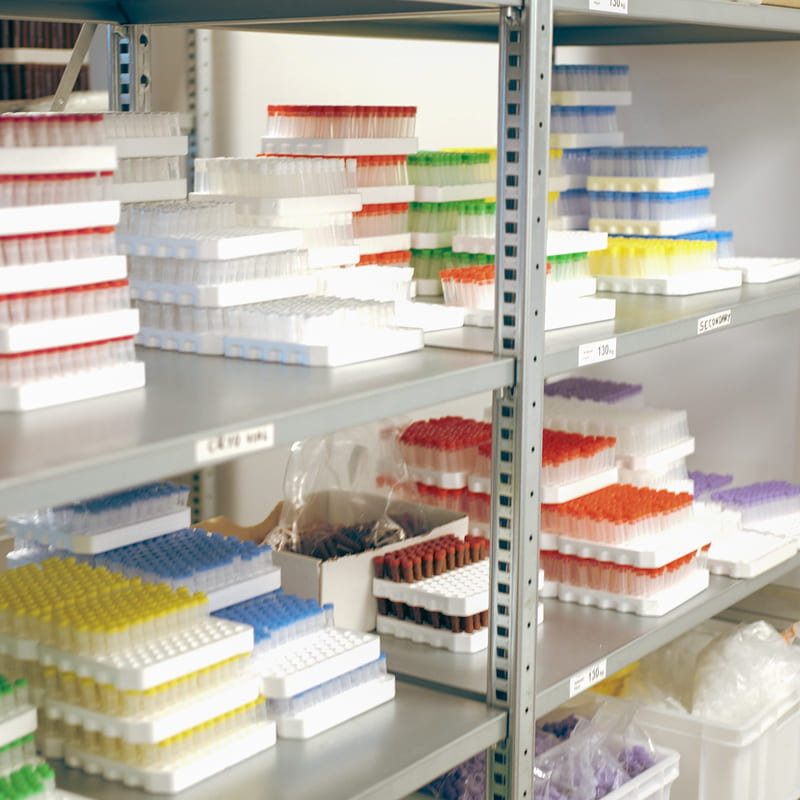
Sample Kits Monitoring include expiration date, study sites stock status, collection kits and laboratory supplies re-supply.
LabOne allows sponsors and researchers to define trial-specific parameters, track samples in real time, and access laboratory results whenever and wherever needed. Key features of the system include:
- Real-time lab-result data with 24/7 access.
- Extensive reporting modules for customized insights.
- Color-coded results for intuitive interpretation.
- Compliance with 21 CFR Part 11 for electronic records.
- Fully customizable reporting and dashboards.
- Intuitive management of samples, kits, and inventory.
- High emphasis on data security and privacy.
- Quality control and assurance modules.
- Built-in communication and collaboration tools for study management.
LabOne simplifies sample management by offering centralized barcode labeling, sample tracking, and chain-of-custody management. Its robust design ensures complete visibility and traceability of all sample-related data.
Additionally, Kit and Inventory Management features enable tracking of kit production, distribution, and consumption. This ensures sites are equipped with the necessary supplies, reducing delays and preventing errors.
Conclusion
In conclusion, the laboratory sample journey is a critical component in clinical trials, encompassing precise processes from sample collection and handling to analysis and data reporting. Each step is designed to maintain sample integrity and ensure accurate, reliable results, which are essential for the success of clinical research. By optimizing this laboratory sample journey, Sponsors can achieve greater confidence in the quality of their data, supporting informed decision-making and the overall success of their trials.
FAQ: Understanding the Laboratory Sample Journey
1. What is the laboratory sample journey?
The laboratory sample journey refers to the complete process that a sample undergoes in clinical trials, from collection at the site to analysis in a central laboratory. It includes steps like collection, transportation, handling, storage, and data reporting.
2. Why is the laboratory sample journey important in clinical trials?
The journey ensures the integrity and quality of the samples, which directly impacts the reliability and accuracy of the data generated. Properly managed samples are essential for meeting study objectives and maintaining compliance with regulatory standards.
3. What factors can affect the integrity of samples during the journey?
Factors such as temperature control, handling procedures, and timely transportation play a critical role. Any deviation from the protocol can compromise sample quality and the validity of the results.
4. How is sample tracking managed during the journey?
Advanced tracking systems, like LabOne, are used to monitor the location, condition, and status of samples in real time. This ensures transparency and minimizes the risk of errors.
5. What role do central laboratories play in the laboratory sample journey?
Central laboratories are responsible for receiving, storing, processing, and analyzing samples. They also ensure that all processes adhere to study protocols and regulatory guidelines, providing reliable and actionable data.
6. How can optimizing the laboratory sample journey benefit Sponsors?
A well-optimized journey enhances efficiency, reduces the risk of delays or errors, and ensures high-quality data. This helps Sponsors meet study timelines, control costs, and achieve reliable outcomes for their clinical trials.
7. What are the key challenges in managing the laboratory sample journey?
Common challenges include ensuring timely transportation, maintaining proper temperature conditions, handling customs regulations for international shipments, and minimizing the risk of sample loss or contamination.
8. How does technology support the laboratory sample journey?
Technologies like barcode tracking, automated alerts, and real-time data monitoring systems streamline the sample journey, ensuring compliance, transparency, and efficient operations.
9. What are the consequences of errors in the laboratory sample journey?
Errors in sample handling, transportation, or tracking can lead to compromised sample quality, invalid results, delays in study timelines, and increased costs.
10. How can clinical trial sites ensure proper sample collection and handling?
Providing detailed training, clear instructions in the Lab Manual, and access to the right collection kits are essential for ensuring proper sample collection and handling at clinical trial sites.
References
1. WHO
Guidance for best practices for clinical trials, World Health Organization, https://www.who.int/publications/i/item/9789240097711, Accessed: 28.01.2025
2. PubMed
Sample Management: Recommendation for Best Practices and Harmonization from the Global Bioanalysis Consortium Harmonization Team, PubMed, https://pmc.ncbi.nlm.nih.gov/articles/PMC4779093/, Accessed: 28.01.2025
3. European Medicines Agency
Reflection paper for laboratories that perform the analysis
or evaluation of clinical trial samples, https://www.ema.europa.eu/en/documents/regulatory-procedural-guideline/reflection-paper-laboratories-perform-analysis-or-evaluation-clinical-trial-samples_en.pdf, Accessed 28.01.2025
Author: MICS Editorial Team