
















Summary
Author: Michał Widak, Senior Clinical Research Coordinator, Sample Management Team Leader. MICS Editorial Team
In this article, we explore the essential role of laboratory sample management in clinical trials, focusing on processes such as collection, tracking, storage, and logistics. Our specialist provides a structured overview of best practices and common challenges that can impact trial efficiency and data integrity. This article is particularly valuable for CROs and pharma industry professionals responsible for selecting a central laboratory partner, offering insights into how effective sample management can reduce risks, improve compliance, and support the success of clinical research.
Introduction
Laboratory sample management, especially in Central Laboratory, is an integral part of clinical trials, ensuring that the samples collected during the study are handled with precision and care. From collection to analysis, every step in the sample journey requires scrupulous attention to detail. For CROs and pharma companies choosing a central laboratory partner, understanding the strengths of a laboratory sample management department is crucial. The right partner can ensure the efficient processing of samples, preserving the integrity of the data and ultimately supporting the success of clinical trials.
What is Sample Management in clinical trials?
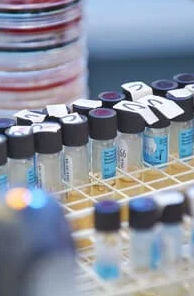
Sample management in clinical trials refers to the entire process of handling biological samples, such as blood, tissue, and urine, from the point of collection to the point of analysis. The laboratory sample management department is responsible for organizing, tracking, and processing these samples to ensure they are properly handled, stored, and transported in compliance with regulatory requirements and clients’ needs. This department plays a crucial role in ensuring the accuracy and reliability of trial data, impacting the overall success of the clinical study.
Key Functions of the Laboratory Sample Management Department
The sample management department performs several key activities to ensure samples are properly handled throughout the clinical trial process. These include:
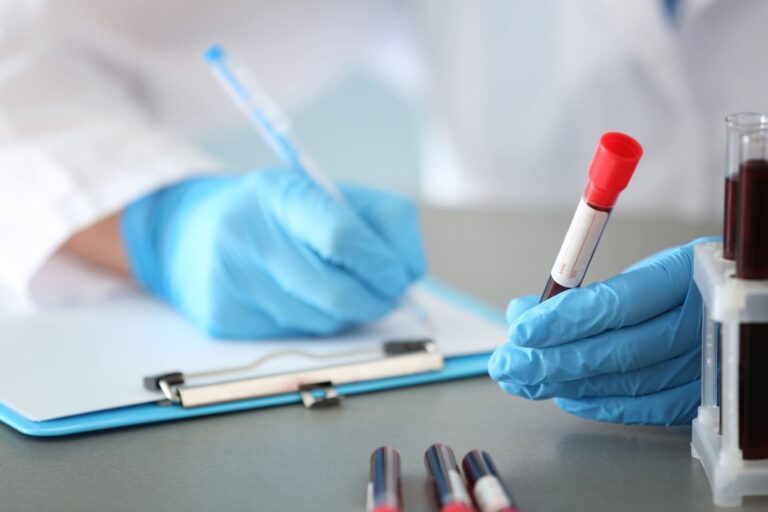
- Sample Collection and Receipt: Proper collection and handling of samples from clinical trial sites are essential. The laboratory sample management department ensures that each sample is correctly identified, documented, checked for quality and immediately processed in accordance with the analytical plan for a given study.
- Tracking and Documentation: Efficient tracking is critical for managing the flow of samples. The department is responsible for maintaining detailed records of sample reception, storage conditions, transportation, and testing. This ensures traceability and accountability at every stage.
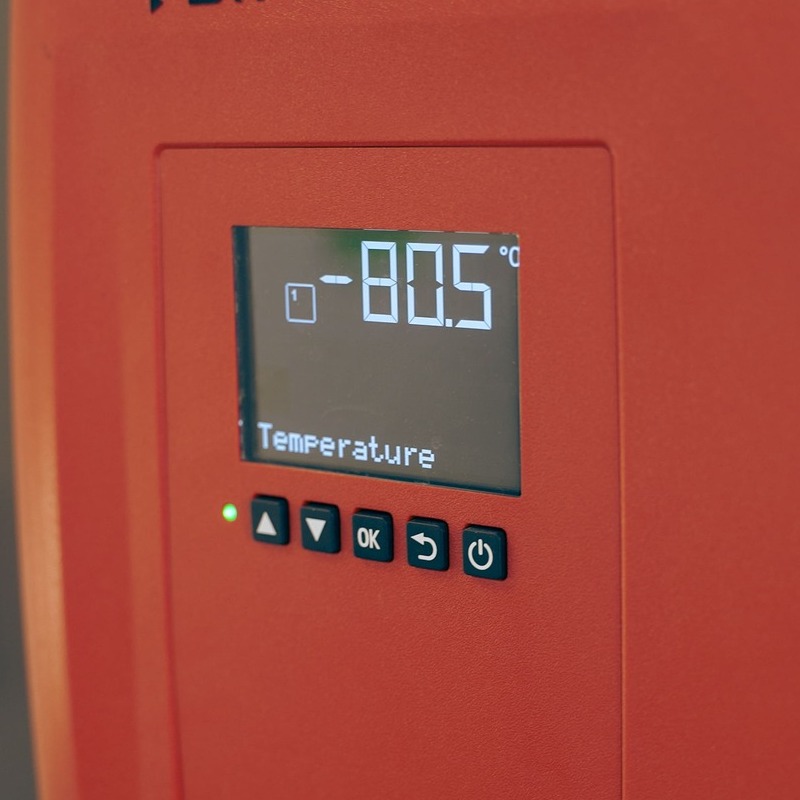
- Storage and Preservation: Each type of sample has specific storage requirements, and maintaining the correct conditions (e.g., temperature control) is essential to preserving sample integrity. The department ensures that samples are stored in appropriate conditions which are monitored continuously.
- Logistics Coordination: Coordinating the transportation of samples from central laboratory to testing labs is a critical function. The department ensures that samples are shipped under the correct conditions and arrive at their destination on time to avoid delays or errors.
Challenges Faced by the Sample Management Department
While the importance of laboratory sample management is clear, there are several challenges that the sample management department must navigate:
- Sample Loss or Degradation: Mismanagement can lead to sample loss or degradation, which can affect the accuracy of the trial results. This is especially true for sensitive biological samples, which may require special handling or immediate processing.
- Volume and Complexity: Managing large volumes of samples from multiple clinical trial sites can create logistical challenges. The complexity increases when dealing with various sample types, storage requirements, and regulations across different studies and clients’ needs.
- Regulatory Compliance: Compliance with local and international regulations is essential in the clinical trials industry. The laboratory sample management department must adhere to stringent guidelines related to sample handling, storage, transportation, and documentation to ensure regulatory compliance.
Importance of Efficiency and Accuracy in Sample Management
The efficiency and accuracy of the laboratory sample management department directly impacts the success of the clinical trial. Errors in sample management—such as mislabeling, incorrect storage, or delayed transportation—can compromise the reliability of the trial data. Samples with uncertain quality can lead to erroneous conclusions, affecting both the trial’s results and the final approval process for new treatments or drugs. Therefore, at Medicover Integrated Clinical Services, we maintain a high level of accuracy and operational efficiency as key elements in ensuring the integrity of clinical trials.
Best Practices for Effective Sample Management
To ensure effective sample management, the department should implement the following best practices:
- Streamlined Workflows: Optimizing workflows ensures that samples are processed as efficiently as possible, reducing delays and minimizing human error. Clear protocols and Standard Operating Procedures (SOPs) can help streamline tasks such as sample receipt, documentation, and processing.
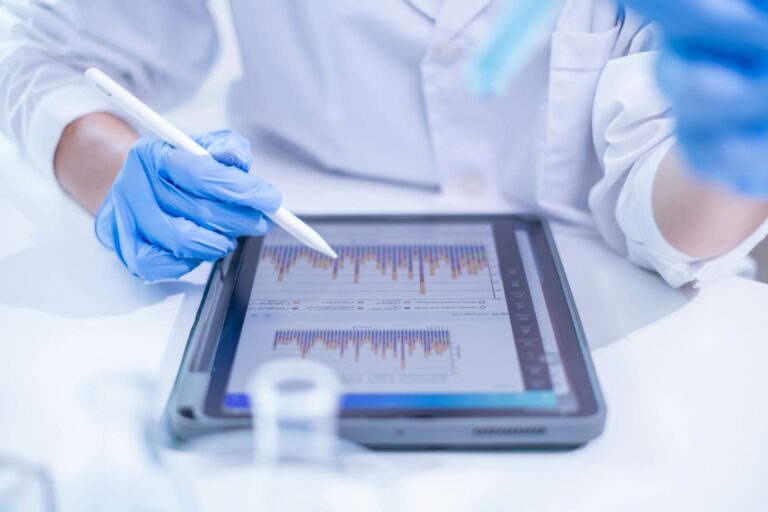
- Technology Integration: Using advanced Clinical Trials Laboratory Management System ((CTLMS); e.g., LabOne) and other automated tools can reduce human error, improve traceability, and enhance compliance. These systems help in sample registration, quality check, tracking sample locations, monitoring storage conditions, and ensuring that data is easily accessible for review.
- Quality Control Procedures: A robust quality control system is essential for maintaining high standards in sample management. Regular checks on sample integrity, storage conditions, and transportation protocols can prevent errors and ensure consistency across all clinical trials.
Collaboration Between Sample Management and Other Departments
The success of sample management in clinical trials also depends on close collaboration between the sample management department and other central laboratory departments like Logistic, Study Coordinators, Project Management, Quality Assurance, IT and also lab technicians, researchers, and trial sponsors. Clear and continuous communication is essential for maintaining smooth operations. For example, the sample management team must stay in contact with lab personnel to ensure that samples are processed promptly and under the correct conditions. Likewise, effective communication with trial sponsors ensures that any potential issues are quickly addressed.
How a Well-Managed Sample Management Department Can Impact Trial Outcomes?
A well-managed laboratory sample management department directly contributes to the efficiency of clinical trials. By ensuring that samples are handled correctly, processed quickly, and tracked accurately, the department helps to minimize delays and errors, leading to faster, more reliable trial outcomes. This is especially important in time-sensitive studies where the timing of sample analysis can impact the overall trial timeline. Choosing a partner with a strong laboratory sample management department ensures that trial progress remains on track, which can ultimately shorten the time to market for new therapies.
Conclusion
Sample management is a critical aspect of clinical trials, playing a pivotal role in ensuring the accuracy and integrity of the trial data. A well-organized sample management department provides essential support for smooth trial execution by tracking, storing, and transporting samples in compliance with regulations and clients’ needs. For CRO/Pharma vendor management and decision-makers, selecting a central laboratory partner with a robust laboratory sample management department is crucial for minimizing errors and delays. Prioritizing efficiency, accuracy, and collaboration will help ensure successful trial outcomes and support the development of new treatments.
Looking for a reliable central lab partner with expert sample management?
FAQ: Laboratory Sample Management in Central Labs for Clinical Trials
-
What is laboratory sample management in clinical trials?
Laboratory sample management refers to the process of handling biological samples (e.g., blood, tissue, urine) from collection to analysis. It ensures proper tracking, storage, and transportation while maintaining compliance with regulatory requirements.
-
Why is sample management important in clinical trials?
Effective sample management ensures data integrity, regulatory compliance, and efficient trial execution. Proper handling minimizes errors, prevents sample degradation, and supports accurate clinical research outcome.
-
What are the key functions of a sample management department?
A sample management department oversees:
– Sample collection and receipt
– Tracking and documentation
– Storage and preservation
– Logistics coordination for transportation -
How does a well-managed sample management department impact clinical trials?
A well-structured sample management team improves trial efficiency by reducing errors, ensuring timely processing, and maintaining regulatory standards—ultimately accelerating clinical trial success.
-
What best practices improve sample management?
– Streamlined workflows with clear SOPs
– Quality control checks on sample handling and logistics
– Technology integration (e.g., LabOne for tracking)
1. What is laboratory sample management in clinical trials?
Laboratory sample management refers to the process of handling biological samples (e.g., blood, tissue, urine) from collection to analysis. It ensures proper tracking, storage, and transportation while maintaining compliance with regulatory requirements.
2. Why is sample management important in clinical trials?
Effective sample management ensures data integrity, regulatory compliance, and efficient trial execution. Proper handling minimizes errors, prevents sample degradation, and supports accurate clinical research outcome.
3. What are the key functions of a sample management department?
A sample management department oversees:
- Sample collection and receipt
- Tracking and documentation
- Storage and preservation
Logistics coordination for transportation
4. What challenges does sample management face?
5. How does a well-managed sample management department impact clinical trials?
A well-structured sample management team improves trial efficiency by reducing errors, ensuring timely processing, and maintaining regulatory standards—ultimately accelerating clinical trial success.
6. What best practices improve sample management?
- Streamlined workflows with clear SOPs
- Quality control checks on sample handling and logistics
- Technology integration (e.g., LabOne for tracking)