













As we approach World Down Syndrome Day on March 21st, it’s imperative to delve into the complexities of this genetic condition and highlight the indispensable role that genetic testing plays in its diagnosis. Down Syndrome, also known as Trisomy 21, is a unique condition characterized by the presence of an additional chromosome 21, leading to a variety of developmental and physical changes.
Down Syndrome manifests in various ways, encompassing physical, cognitive, and health-related aspects. It’s more than just appearances; it’s about understanding the individual’s unique needs and challenges. With approximately 1 in 700 babies born with Down Syndrome globally, it’s a prevalent genetic disorder that affects individuals across all demographics.
Genetic testing and diagnosis of Down syndrome
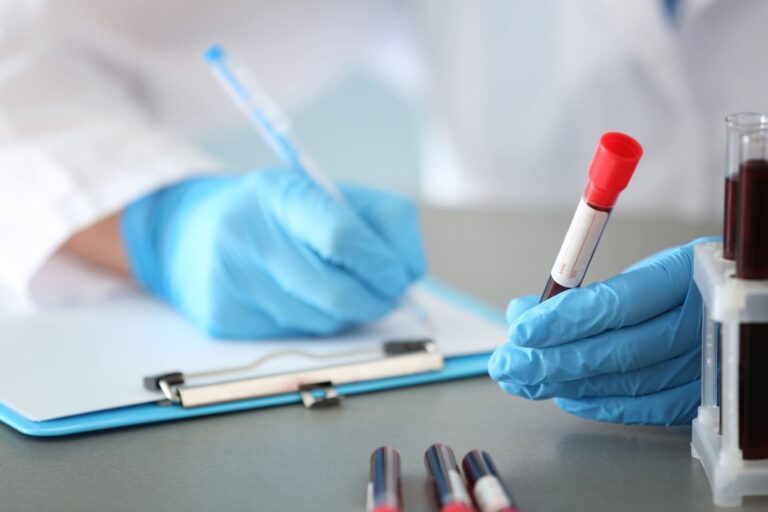
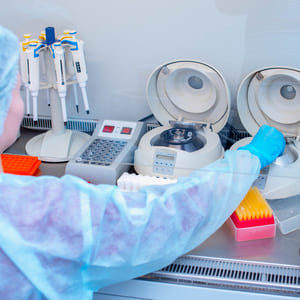
Genetic testing serves as a cornerstone in the diagnosis of Down Syndrome (DS), offering crucial insights into a child’s health from early stages. Prenatal screening tests, such as non-invasive prenatal testing (NIPT), blood tests, and ultrasounds, are instrumental in assessing the likelihood of Down nduring pregnancy. NIPT, in particular, has revolutionized prenatal screening by providing a low-risk method to detect chromosomal abnormalities, including Trisomy 21, with high accuracy. These screening methods not only offer expectant parents early information about their child’s health status but also empower them to make informed decisions about their pregnancy journey.
However, for a definitive diagnosis, diagnostic methods such as amniocentesis or chorionic villus sampling (CVS) are employed. These procedures involve the extraction of fetal genetic material, allowing for a thorough analysis to confirm the presence of Down. While these diagnostic tests carry a slightly higher risk than prenatal screening methods, they provide a definitive diagnosis, enabling parents and healthcare providers to make informed decisions about medical interventions and prepare for the specific needs of the child.
Types and Characteristics
Trisomy 21, the most common form, presents with an extra chromosome 21 in every cell. Mosaicism, a rarer form, exhibits genetic variation in only some cells, leading to nuanced presentations. Translocation Down Syndrome involves part of chromosome 21 attaching to another chromosome, further diversifying developmental outcomes.
The Importance of Early Diagnosis
Early awareness through genetic testing can be transformative, allowing individuals with Down Syndrome to thrive with the right support from the very beginning. It enables access to early intervention services, maximizing the individual’s potential and fostering independence.
Receiving a diagnosis of DS can be overwhelming for families, but genetic testing provides them with essential information and equips them with resources to support their loved one effectively. With accurate knowledge and support, families can navigate the journey ahead with confidence, advocating for the inclusion and acceptance of individuals with Down Syndrome within society.
Expanding on the Importance of Early Diagnosis
Early and accurate diagnosis of Down syndrome through genetic testing allows families to access essential medical care, personalized treatment plans, support networks, and early intervention programs. These measures significantly improve developmental outcomes, cognitive abilities, and quality of life for individuals with DS. Furthermore, a precise diagnosis helps healthcare professionals tailor medical monitoring and preventive care strategies to address potential health challenges associated with the condition, such as congenital heart defects, thyroid disorders, and immune system deficiencies.
he Role of Advanced Genetic Technologies in Down Syndrome Research
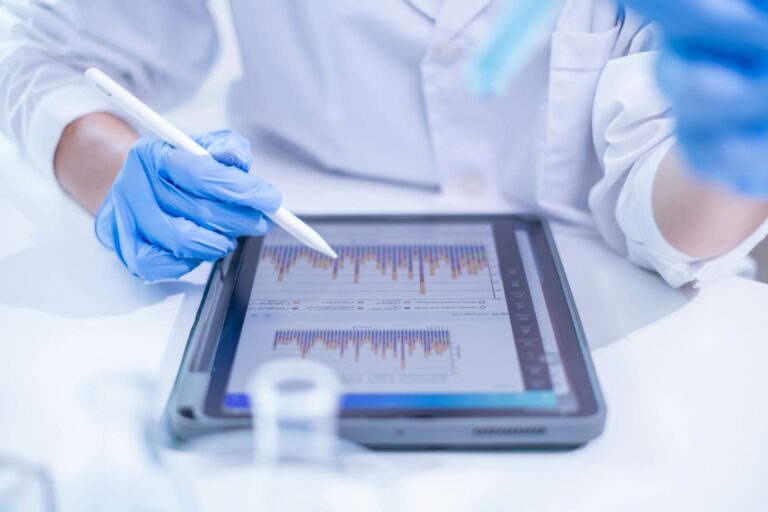
Ongoing advancements in genetic testing, such as whole-genome sequencing and non-invasive prenatal screening, continue to refine the accuracy and accessibility of DS diagnosis. These innovations not only benefit early detection but also contribute to broader genetic research, helping scientists understand chromosomal disorders more comprehensively. As genetic testing evolves, it plays a crucial role in both personalized medicine and the development of potential therapeutic strategies for individuals with genetic conditions.
FAQ
1. What causes Down Syndrome?
Down Syndrome, also called Trisomy 21, occurs when a person has an extra copy of chromosome 21. This additional genetic material alters normal development, resulting in distinct physical traits and varying degrees of intellectual and health differences.
2. What types of genetic testing can detect Down Syndrome?
The most common tests include:
-> Non-Invasive Prenatal Testing (NIPT) – analyses fetal DNA from a mother’s blood sample.
-> First-trimester screening – combines ultrasound and blood tests.
-> Diagnostic tests like amniocentesis or chorionic villus sampling (CVS) – confirm the presence of Trisomy 21.
3. What are the main types of Down Syndrome?
There are three main types:
1 – Trisomy 21 (about 95% of cases), where every cell has an extra chromosome 21.
2 – Translocation DS, where part of chromosome 21 attaches to another chromosome.
3 – Mosaic DS, where only some cells carry the extra chromosome 21.
4. Why is early genetic testing important?
Early diagnosis helps families access medical support, early-intervention programs, and educational resources sooner, improving long-term outcomes in development, learning, and health management.
5. What are the health conditions associated with Down Syndrome?
Individuals may experience congenital heart defects, thyroid disorders, immune challenges, vision or hearing issues, and an increased risk of certain infections. Regular monitoring allows these to be managed effectively.
6. How has genetic technology advanced Down Syndrome testing?
Modern tools like whole-genome sequencing and advanced NIPT platforms have significantly increased accuracy and safety. They also enhance scientific understanding of chromosomal disorders and support future research in precision medicine.
References
- About Down Syndrome — Eunice Kennedy Shriver National Institute of Child Health & Human Development (NICHD), US NIH.
- Down Syndrome | Birth Defects — Centers for Disease Control and Prevention (CDC), US
- Down Syndrome Fact Sheet (PDF) — National Down Syndrome Society (NDSS)
- Trisomy 21 – Down Syndrome (Fact Sheet, Australia) — Centre for Genetics Education, Australia
Author: MICS Editorial Team