
















What is hypertension and how is it diagnosed? What are the symptoms?
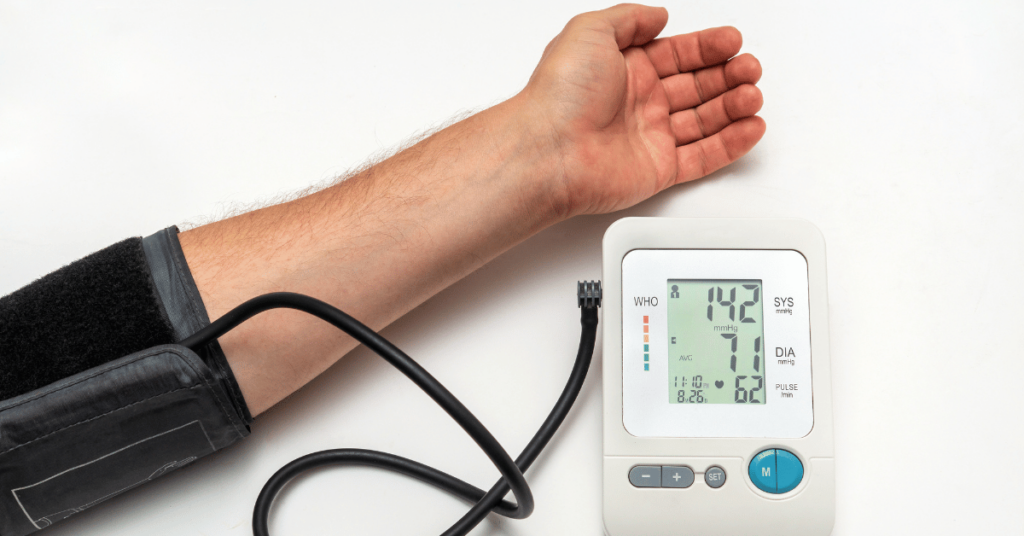
Hypertension, or high blood pressure, is a chronic medical condition in which the blood pressure in the arteries is persistently elevated. Diagnosis involves measuring blood pressure using a sphygmomanometer – blood pressure monitor, and it typically requires multiple readings over time to confirm. Symptoms, if they appear, can include headaches, shortness of breath, nosebleeds, and dizziness, but many people have no symptoms, which is why hypertension is often called the “silent killer”.
What are the common causes ?
Hypertension can arise from various factors, including lifestyle choices and genetic predisposition. Major risk factors include poor diet, lack of physical activity, obesity, excessive alcohol consumption, and smoking. Additionally, certain medical conditions such as diabetes and kidney disease can increase the risk of developing high blood pressure.
Understanding your blood pressure reading
Blood pressure readings consist of two numbers: systolic (pressure during heartbeats) and diastolic (pressure between beats). Both numbers are crucial for diagnosing high blood pressure and assessing cardiovascular health.
What are normal blood pressure numbers?
Blood pressure is categorized as:
- Normal: Less than 120/80 mm Hg
- Elevated: Systolic 120-129 mm Hg and diastolic less than 80 mm Hg
- Hypertension Stage 1: Systolic 130-139 mm Hg or diastolic 80-89 mm Hg
- Hypertension Stage 2: Systolic 140 mm Hg or higher or diastolic 90 mm Hg or higher
- Hypertensive Crisis: Systolic over 180 mm Hg and/or diastolic over 120 mm Hg, requiring immediate medical attention.
Primary hypertension, also called essential
It is the most common form of high blood pressure, affecting about 90-95% of those diagnosed. It develops gradually over many years and is influenced by a combination of genetic and lifestyle factors. Although the exact cause is unknown, contributing factors include:
- Genetics: Family history of high blood pressure increases risk.
- Age: The risk of hypertension increases as you age.
- Lifestyle factors: Poor diet (high in salt and fat), lack of physical activity, smoking, and excessive alcohol intake contribute to higher blood pressure
Secondary Hypertension
It is less common and is caused by an underlying condition. It tends to appear suddenly and causes higher blood pressure than primary hypertension. Causes of secondary high blood pressure include:
- Kidney Disease: Conditions such as chronic kidney disease and polycystic kidney disease.
- Adrenal Gland Disorders: Such as pheochromocytoma or Cushing’s syndrome.
- Thyroid Problems: Hyperthyroidism or hypothyroidism.
- Medications: Certain prescription and over-the-counter medications, including birth control pills, cold remedies, decongestants, and pain relievers.
- Sleep Apnea: Obstructive sleep apnea can contribute to hypertension
Hypertension and Clinical Trials
Clinical trials play a crucial role in understanding and treating high blood pressure. These trials evaluate new treatments, medications, and lifestyle interventions to manage high blood pressure more effectively. Participating in clinical trials can provide patients with access to cutting-edge therapies and contribute to scientific knowledge. Some ongoing areas of research include:
- Pharmacological Treatments: Testing new antihypertensive drugs and combination therapies.
- Lifestyle Interventions: Assessing the impact of dietary changes, exercise, and stress management on blood pressure control.
- Genetic Studies: Understanding genetic factors that influence high blood pressure to develop personalized treatment approaches
What can I do to prevent or manage high blood pressure?
Preventing and managing high blood pressure involves lifestyle changes and, if necessary, medication. Key strategies include:
- Diet: Adopt a heart-healthy diet, like the DASH diet, which emphasizes fruits, vegetables, and low-fat dairy.
- Exercise: Engage in regular physical activity.
- Weight management: Maintain a healthy weight.
- Limit alcohol and quit smoking: Reduce alcohol intake and avoid tobacco use.
- Monitor blood pressure: Regularly check your blood pressure to ensure it stays within a healthy range.
- Medication: Take prescribed medications as directed by your healthcare provider
Summary
Hypertension is a prevalent and serious condition that can lead to significant health complications if not managed properly. Understanding the causes, diagnosis, and management options is crucial. Primary is typically managed through lifestyle changes and medication, while secondary hypertension requires addressing underlying conditions. Ongoing clinical trials continue to improve our understanding and treatment of this condition.
FAQ
1. What is hypertension?
Hypertension, also known as high blood pressure, is a chronic condition where blood pressure in the arteries remains consistently elevated. It often develops without noticeable symptoms, earning the nickname “the silent killer.”
2. How is hypertension diagnosed?
Diagnosis is based on repeated blood pressure measurements using a blood pressure monitor. Typically, readings are taken across multiple visits to confirm persistent elevation.
3. What is the difference between systolic and diastolic pressure?
Systolic pressure measures force during heartbeats. Diastolic pressure measures force when the heart rests between beats. Both numbers are vital indicators of cardiovascular health.
4. What causes primary vs. secondary hypertension?
Primary (essential) hypertension develops gradually and is influenced by genetics, age, diet, and lifestyle. Secondary hypertension is caused by underlying conditions such as kidney disease, hormonal disorders, or certain medications.
5. What health risks are associated with uncontrolled hypertension?
Untreated high blood pressure can lead to: Heart attack, Stroke,Kidney damage, Vision problems, Heart failure. Ongoing monitoring and treatment are essential.
6. Can lifestyle changes lower blood pressure?
Yes. Clinically proven methods include:
– Reducing sodium intake
– Exercising regularly
– Maintaining a healthy weight
– Limiting alcohol
– Quitting smoking
Many patients also require medication prescribed by a healthcare professional.
References
- High Blood Pressure Diagnosis, National Heart, Lung and Blood Institute, access date 24.10.2025
- Hypertension, World Health Organization (WHO), access date 24.10.2025
- Find High Blood Pressure Tools and Resources, American Heart Association, access date 24.10.2025
Author: MICS Editorial Team