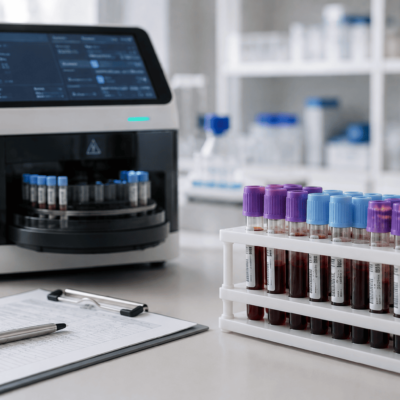

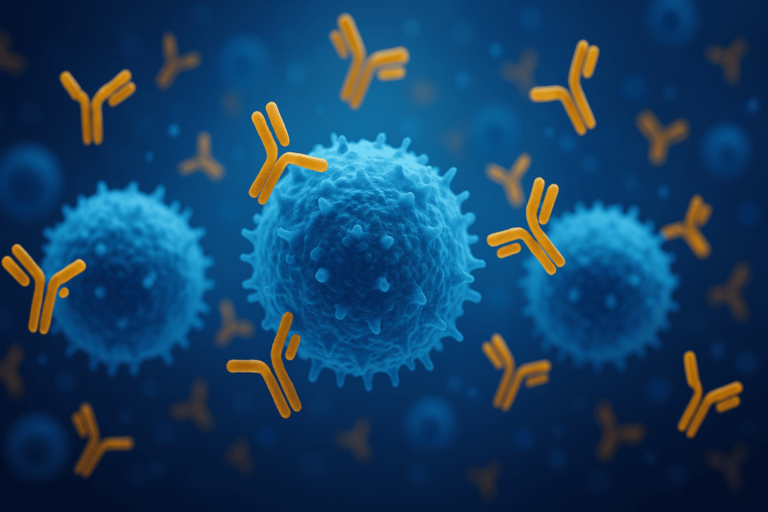











A Peripheral Blood Mononuclear cell (PBMC) is a blood cell with a single round nucleus. Peripheral refers to mature blood cells that are not located in blood-forming organs. The main components of peripheral blood are erythrocytes (red blood cells), white blood cells (leukocytes) and platelets (thrombocytes), in addition to plasma, which serves as a transport medium.
PBMC isolation – how to do that?
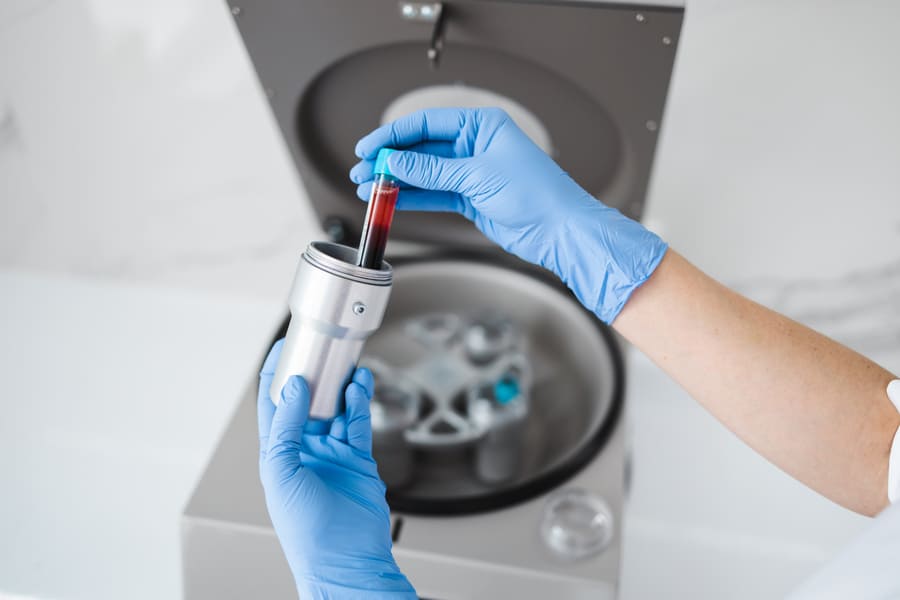
The term PBMC is closely associated with the enrichment of cells from whole blood using density gradient centrifugation.
Polymorphonuclear leukocytes (multi-lobed nuclei) such as granulocytes are depleted in this fraction. Neutrophil and eosinophil granulocytes cannot be enriched from a PBMC fraction prepared by standard density gradient separation. Basophilic granulocytes differ in density and can be partially found in the PBMC fraction. Erythrocytes are reduced to a minimum compared to the initial cell count.
Density gradient-enriched PBMC are sometimes referred to as buffy coat. Buffy coat in this context describes the layer of enriched leukocytes in the interphase.

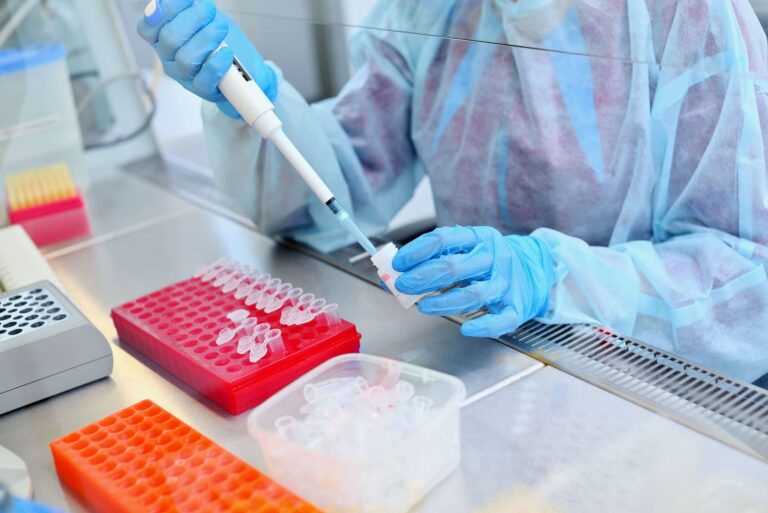
First, a synthetic polymer solution with a defined density is overlaid with blood or sample material. This sample preparation is followed by a centrifugation step. In the interphase of the two solutions, the cells accumulate with the corresponding density of the polymer solution. The interphase containing the PBMC is then carefully removed. The enriched mononuclear cells are washed and used for further application.
In all procedures, it is crucial to know the cell count before and after isolation to determine how efficient your isolation method is and how many cells are in your starting material.
PBMCs must be of high quality, purity, and viability for use in a clinical research setting, however, they are fragile and can be impacted by several factors. Therefore, these cells should only be handled by suitably trained personnel in laboratories that comply with the principles of Good Clinical Laboratory Practices.
Troubleshooting poor quality PBMCs
Ensuring high-quality PBMC isolation is crucial for reliable biomedical research and clinical applications. Various factors can impact PBMC quality, from sample collection and processing delays to storage conditions and cryopreservation techniques. Addressing these challenges effectively is essential to maintain the integrity and functionality of PBMCs for accurate research outcomes and therapeutic developments.
- Sub optimal sample collection
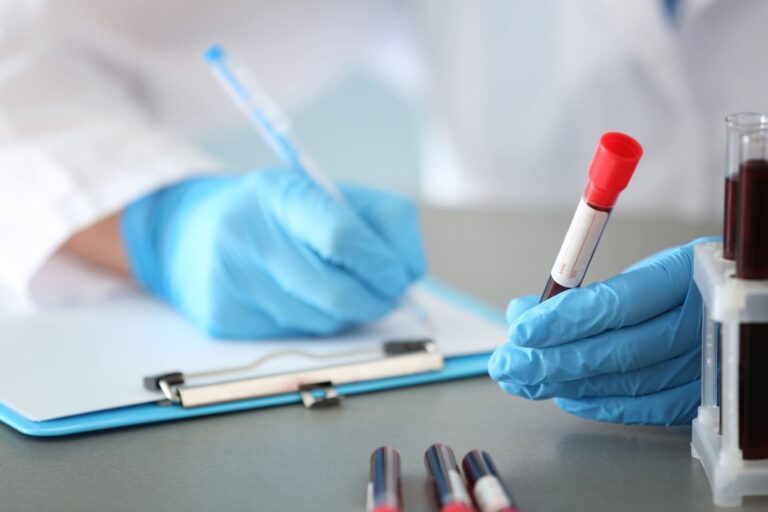
The venipuncture process is crucial. Poor phlebotomy technique, incomplete filling of sample tubes, incorrect needle gage, time of collection, and the type of tubes/anticoagulant used can all affect sample quality.
- Delay between collection and processing
Regardless of the isolation methodology used, a freshly processed blood sample will generate a high percentage of T-cells and allow percentage of granulocytes. If the processing time is delayed, the sample ages, cells begin to die, and granulocytes become activated. Since granulocytes can negatively affect PBMC isolation in several ways including oxidative stress, contamination of the PBMC fraction, and interference with downstream analysis it is critical to prevent delays between sample collection and processing.
- Incorrect transportation processing temperature
Another important factor that can affect sample quality is storage and transport temperature. It is important to transport and perform PBMC isolation between 18-25 C prior to cryopreservation.
- Poor cryopreservation technique or reagents
A robust freezing protocol is important for preventing severe cell damage, osmotic injury, and intra or extra cellular water crystal formation. Cells should be frozen in cryopreservation vials in cryoprotectant with freezing gradually applied at a rate of ~1 C/min.
Why are PBMC isolations important in clinical research?
PBMCs are an essential tool for understanding the immune system’s role in diseases and how it responds to treatment.
- Development of cell and gene therapies: PBMCs are crucial in the development of chimeric antigen receptor T-cell (CAR-T) therapy, which is a type of cell therapy used to treat cancer.
- Drug development: PBMCs can provide valuable insights into how drugs interact with the immune system. By analysing PBMCs’ response to drugs, researchers can identify potential side effects and assess the drug’s efficacy.
- Patient stratification: PBMCs can be used to identify patients who are more likely to respond to a particular treatment. By analysing a patient’s PBMCs before treatment, researchers can identify specific biomarkers that can help tail or the treatment to the individual patient.
- Biomarker identification: PBMCs can be used to identify specific biomarkers associated with diseases. This information can help diagnose and monitor diseases, develop new treatments, and improve patient outcomes
One of MICS’ laboratories in Germany routinely conducts 200-300 PBMC isolations per day. During the COVID-19 outbreak, this frequency doubled.
Supporting PBMC research
At Medicover Integrated Clinical Services we specialize in comprehensive PBMC solutions tailored for biotech, pharma, and CROs. Our services include:
- Efficient PBMC Isolation: Utilizing advanced techniques to ensure high yields and purity of PBMCs.
- Customized Research Support: Assisting in experimental design, biomarker analysis, and data interpretation.
- Regulatory Compliance: Ensuring all PBMC handling, and research activities adhere to rigorous ethical and regulatory standards.
- Collaborative Partnership: Working closely with clients to tailor PBMC solutions that meet specific research objectives and timelines.
Contact our BD Team to learn more about how we can support your PBMC research needs. Whether you’re developing new therapies or conducting biomarker studies, we are here to help you achieve your research goals.
FAQ
1. What are Peripheral Blood Mononuclear Cells (PBMCs)?
PBMCs are blood cells with a single round nucleus, primarily lymphocytes and monocytes. They are isolated from peripheral blood and widely used in immunology and clinical research.
2. How are PBMCs typically isolated from whole blood?
The most common method is density gradient centrifugation, where blood is layered over a synthetic polymer solution, centrifuged, and the interphase containing mononuclear cells is carefully collected.
3. Why are PBMC quality, purity, and viability critical in research?
PBMCs are highly sensitive. Poor handling, delayed processing, or incorrect storage conditions can reduce viability and negatively affect downstream analyses, such as biomarker detection or drug-response studies.
4. What factors most commonly reduce PBMC quality during isolation?
Suboptimal sample collection, processing delays, non-controlled transport temperatures, and improper cryopreservation can all lead to cell damage or unwanted granulocyte activation.
5. Who should perform PBMC isolation in a clinical research environment?
Only trained laboratory personnel working under Good Clinical Laboratory Practices (GCLP), ensuring proper documentation, equipment, and controlled quality standards.
6. Why are PBMCs important in clinical trials and drug development?
PBMCs enable immune response monitoring, biomarker discovery, patient stratification, and are essential for developing advanced therapies such as CAR-T cell treatments.
References
- Comparison of Three Isolation Techniques for Human Peripheral Blood Mononuclear Cells: Cell Recovery and Viability, Population Composition, and Cell Functionality, Mary Ann Liebert (Biopreservation and Biobanking), Access date: 27.10.2025
- Optimizing PBMC Cryopreservation and Utilization for ImmunoSpot® Analysis of Antigen-Specific Memory B Cells, MDPI (Vaccines), Access date: 27.10.2025
- How to Isolate Mononuclear Cells from Whole Blood by Density Gradient Centrifugation, Stemcell Technologies, Access date: 27.10.2025
_____
Author: Oliwia Leberl, PhD, Medicover Integrated Clinical Services and MICS Editorial Team