
















Rare Disease Day is an annual event observed globally to raise awareness for rare diseases and the challenges faced by those living with them. The day provides a platform for communities, researchers, healthcare providers, and advocacy groups to share their efforts in tackling the complexities of rare diseases. As we approach Rare Disease Day 2025, it’s important to highlight how much progress has been made and how much work still lies ahead in supporting patients and advancing research.
What is Rare Disease?
A rare disease is generally defined as a condition that affects a small proportion of the population, but the exact criteria for what constitutes a “rare” disease can vary depending on the region or country. In the European Union, a disease is classified as rare if it affects fewer than 1 in 2,000 people. In contrast, in the United States, a rare disease is defined as one that affects fewer than 200,000 people in the country.
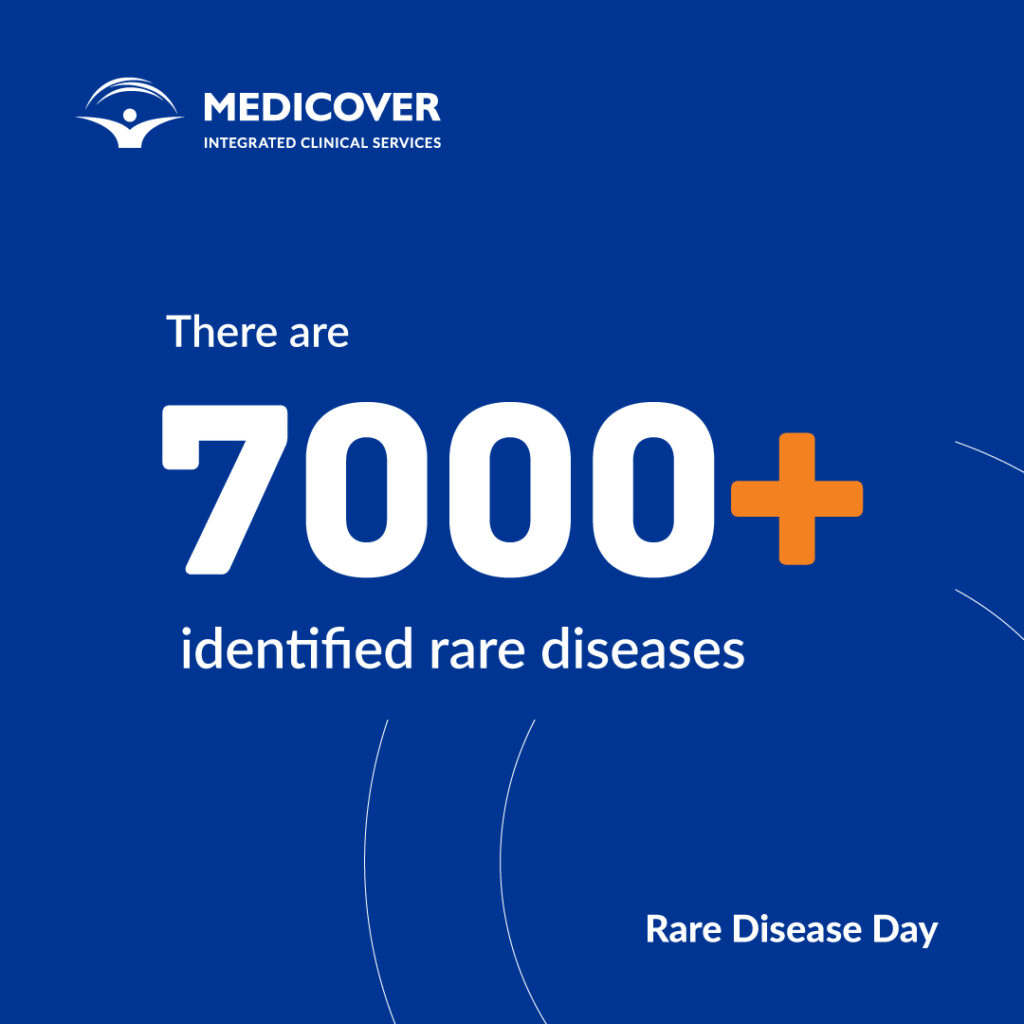
While both definitions are based on the rarity of a disease in the general population, the number of individuals affected can vary significantly depending on where you are in the world. There are approximately 7,000 recognized rare diseases globally, and many of these conditions are life-threatening or chronically debilitating.
Global Impact of Rare Diseases
Globally, rare diseases affect an estimated 400 million people. While each rare disease individually may affect only a small population, the sheer number of people living with these conditions collectively highlights the critical need for more awareness and better healthcare solutions. It is estimated that one in 20 people will be affected by a rare and orphan disease at some point in their lifetime. However, despite their high combined prevalence, rare diseases remain largely underfunded and under-researched. This disparity has significant consequences for diagnosis, treatment, and long-term care for those affected.



Statistics on Rare Diseases Day 2025
As we approach Rare Disease Day 2025, it is vital to highlight some key statistics that underline the challenges and progress in the field of rare diseases:
- Currently, over 7,000 rare disease have been identified1,5
- There are over 10 000 distinct type of rare and genetic diseases 2
- 25-30 million Americans are living with a rare disease 1
- Many rare diseases may result in the premature death of infants or can be fatal in early childhood 1
- All pediatric cancers are rare 1
- 1 of 2 patients diagnosed with a rare disease is a child 2
- 3 in 10 children with a rare disease will not live to reach their fifth birthday. 2,5
- There are more than 500 types of rare cancers 1
- More than 90% of rare diseases are still without an FDA-approved treatment 1
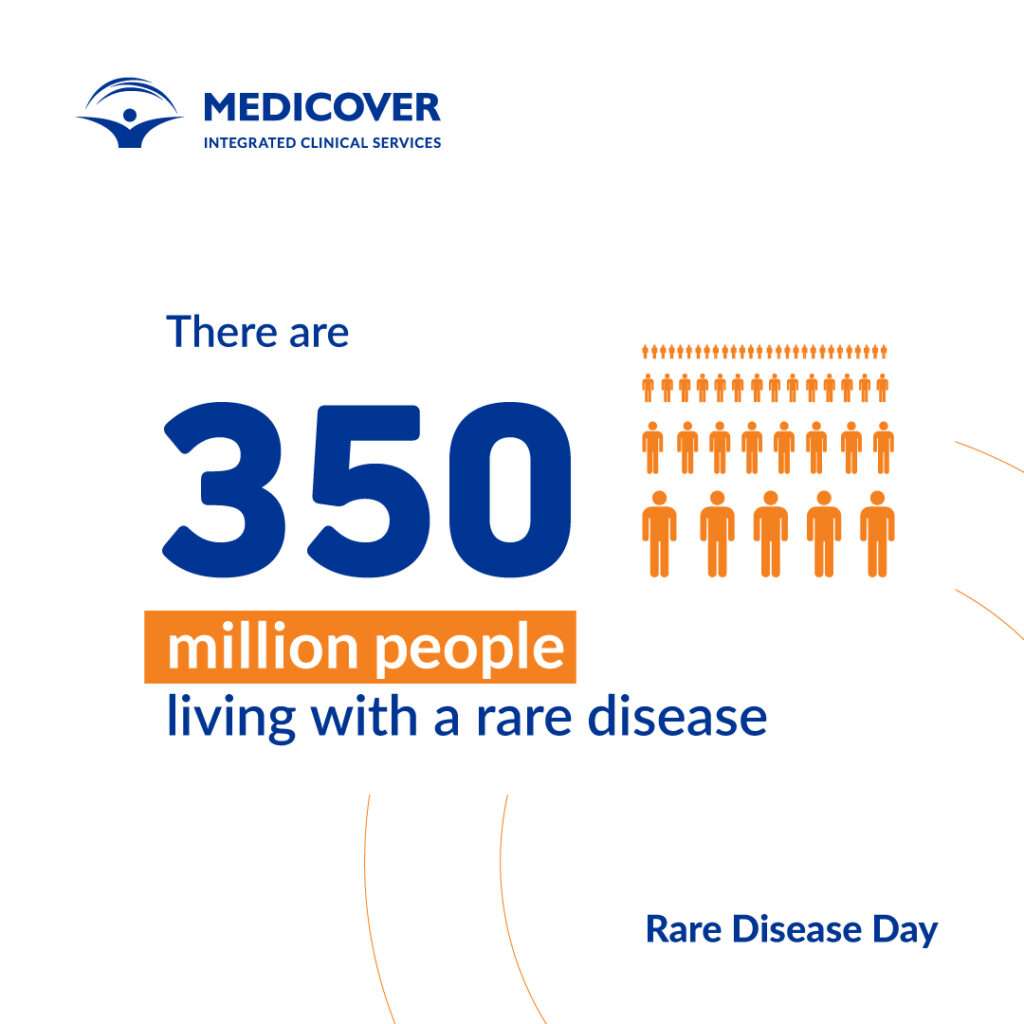
- Rare diseases affect an estimated 350-400 million people worldwide 1,2,5
- 8 in 10 Rare Diseases are Genetic 2, 4,5
- 6+ Years is The Average Time it Takes for Rare Patients to Receive an Accurate Diagnosis3
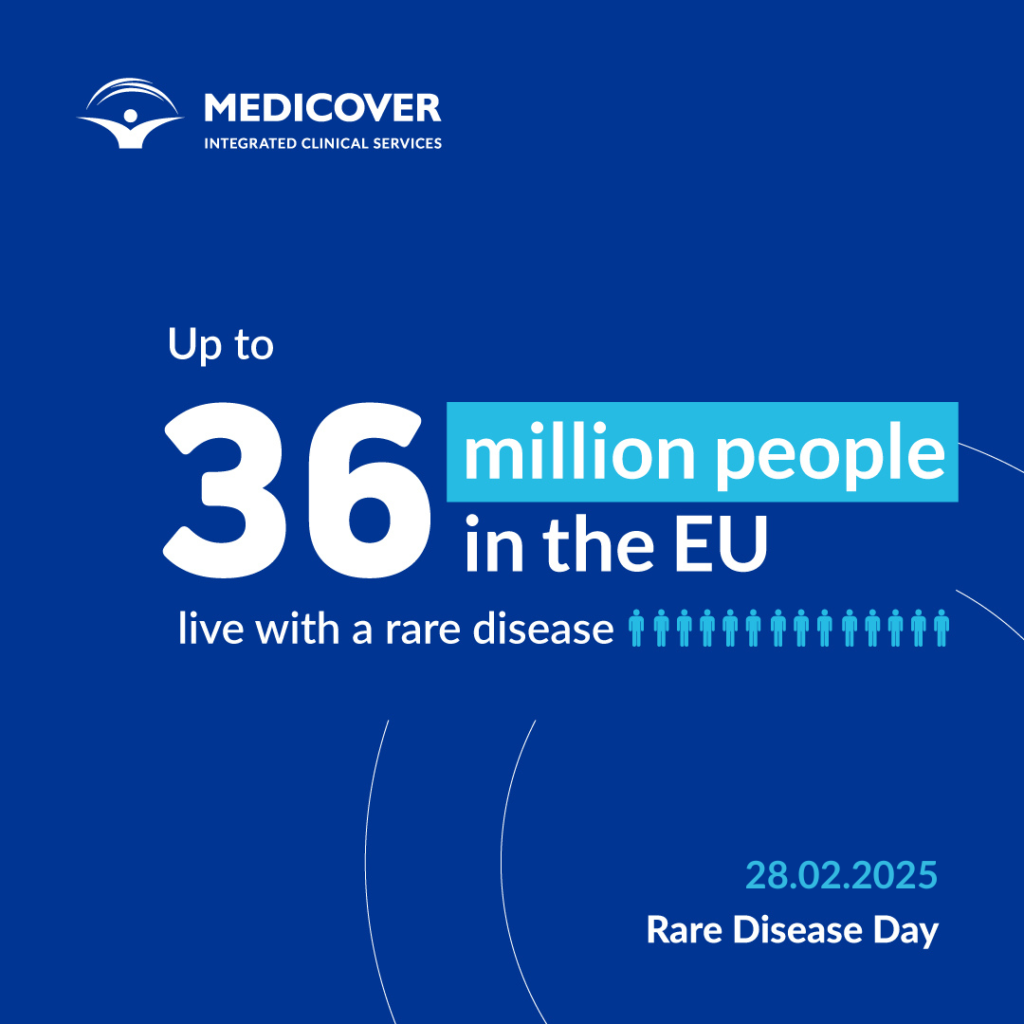
- Up to 36 million people in the EU live with a rare disease. 4
- There are more than 6000 distinct rare diseases in the EU 4
- 70% of rare diseases with genetic origin already start in childhood 4
- More than 3.3 million patients are affected with rare diseases in MENA region 5
- ~95% of known rare diseases lack a treatment 5
- ~250+ conditions are discovered every year 5
- ~1200 rare diseases, have >5 documented cases published in the literature 5
- 2/3 of family carers spend more than 2 hours a day on disease-related tasks 5
- 3x higher is the proportion of people with rare diseases who report feeling depressed compared to the general population 5
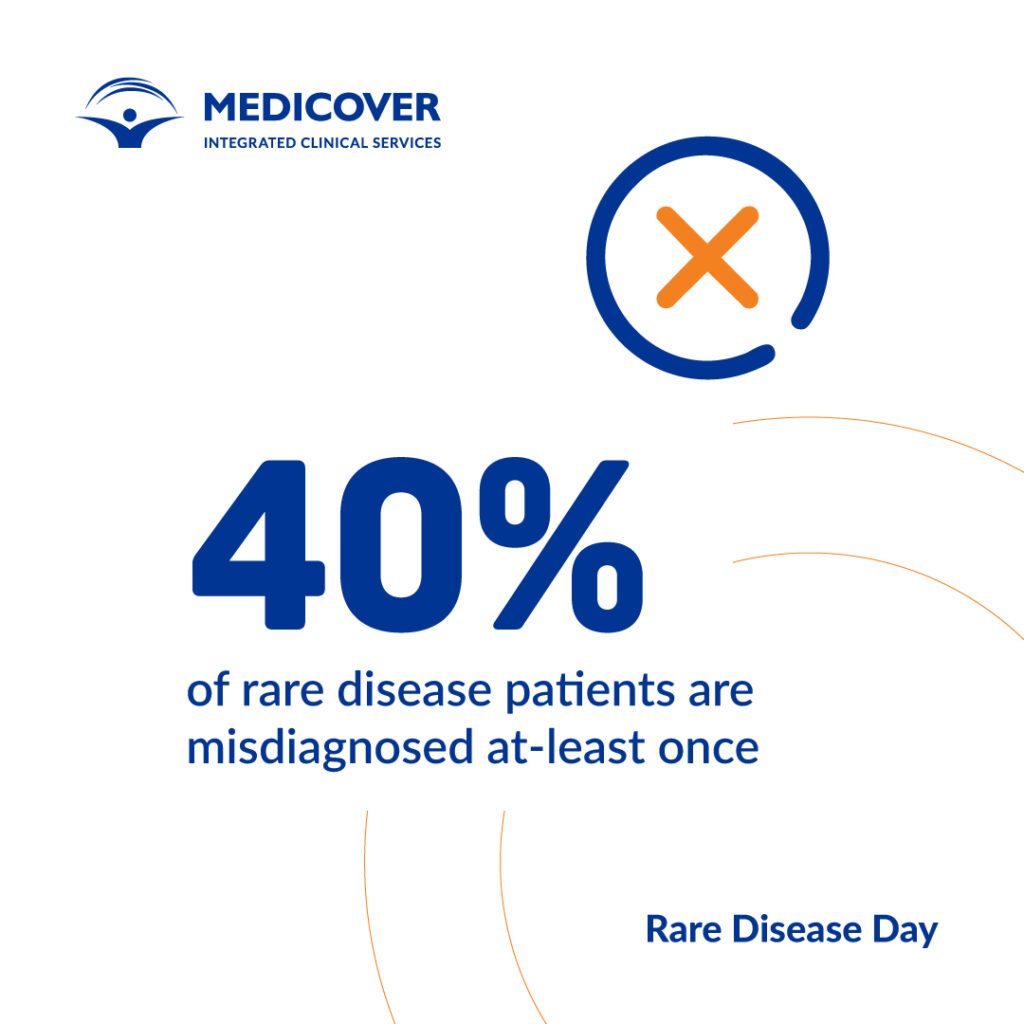
- 40% of rare disease patients are misdiagnosed at-least once 5
- 7.3 physicians (avg.) is seen before initiation of correct diagnosis 5
- ~5 years it takes for rare patients to receive an accurate diagnosis 5
- 1 in 10 Americans have a rare disease 6
- An estimated 15 million children in the U.S. have a rare disease 5
- Direct medical costs for people with rare diseases are 3-5 times higher than those for non-rare diseases. 5
- Rare diseases are responsible for 35% of deaths in the first year of life. 7
- 1 in 5 cancers diagnosed in the US is rare 8
These statistics reflect the critical need for ongoing awareness, research, and the development of better diagnostics and treatments for rare diseases.
Looking for a partner in Precision Medicine for rare disease research and treatment? Share your project with us, and we’ll present the right solution.
Challenges in Diagnosing and Treating Rare Diseases
The journey for patients with rare diseases often begins with the challenge of obtaining an accurate diagnosis. Given the vast number of rare conditions, healthcare professionals may not immediately recognize the disease, leading to delays in diagnosis and treatment. Additionally, many of these diseases require specialized care, which may not be readily available in all healthcare systems. The complexity of treatment is another major obstacle, as the small patient populations make it financially difficult for pharmaceutical companies to develop and bring therapies to market.
Rare Disease Day 2025: For patients with rare diseases, this means that diagnosis and effective treatment are often delayed, resulting in worse health outcomes. There is a clear need for global collaboration to accelerate research, improve early diagnosis, and develop affordable treatments for the rare disease community.
Get the latest posts and exclusive content delivered right to your inbox.
The Role of the Community in Supporting Rare Disease Patients
Community support is essential for rare disease patients and their families. Patient advocacy groups play a pivotal role in raising awareness, pushing for research funding, and ensuring that the needs of these individuals are met. Events like Rare Disease Day 2025 provide much-needed visibility for these groups and their work, as well as opportunities for patients and families to connect and share experiences.
Increased awareness can lead to better funding for research and innovations, as well as improved healthcare policies. Collaborative efforts, including partnerships between healthcare providers, researchers, governments, and organizations, are key to addressing the gaps in rare disease care and ensuring that patients receive the attention they deserve.
Conclusion
As Rare Disease Day 2025 approaches, it is a time to reflect on the ongoing efforts to improve the lives of people living with rare diseases. The statistics presented here underscore the challenges faced by these patients, but also the critical need for continued research, better diagnostics, and more accessible treatments. Raising awareness is essential, not only to improve the lives of those already affected but also to provide hope for future generations.
Let us come together to support Rare Disease Day 2025, to spread knowledge, and to push for progress in the fight against rare diseases. Together, we can make a difference for the millions living with these conditions worldwide.
FAQ about Rare Disease Day 2025
1. What is Rare Disease Day?
Rare Disease Day is an annual global event dedicated to raising awareness about rare diseases and the challenges faced by patients living with these conditions. It highlights the need for more research, better care, and greater visibility for rare diseases.
2. When is Rare Disease Day 2025?
Rare Disease Day 2025 will be observed on February 28, 2025. It’s the last day of February each year, which is also the rarest day of the year, symbolizing the rarity of these diseases.
3. How many people are affected by rare diseases?
Globally, around 400 million people are affected by rare diseases. While each rare disease affects a small number of people, the combined total of those affected is significant.
4. Why is Rare Disease Day important?
Rare Disease Day brings global attention to the challenges faced by individuals with rare diseases. It encourages research funding, better healthcare policies, and greater public awareness, while also helping patients and their families feel supported and recognized.
5. How does Precision Medicine relate to rare diseases?
Precision Medicine plays a crucial role in rare disease research and treatment. By analyzing an individual’s genetic profile, Precision Medicine allows for personalized treatments, which is especially important in rare diseases, where patients often have unique genetic causes of their conditions.
6. How can Medicover Integrated Clinical Services support rare disease research?
Medicover Integrated Clinical Services offers specialized expertise in Precision Medicine to support clinical trials and research for rare diseases. We provide tailored solutions to help identify, diagnose, and treat these conditions with a personalized approach.
References
- rarediseases.org/understanding-rare-disease/rare-disease-facts-and-statistics/, accessed 18.02.2025
- globalgenes.org/rare-disease-facts/, accessed 18.02.2025
- everylifefoundation.org/delayed-diagnosis-study/, accessed 18.02.2025
- health.ec.europa.eu/system/files/2023-05/ncd_2023_rare-diseases_factsheet_en.pdf, accessed 18.02.2025
- data.saudirarediseases24.com/RARE/24/pub/factsheet.pdf, accessed 18.02.2025
- rarediseases.org/wp-content/uploads/2024/11/Rare-Disease-Fact-Sheet.pdf, accessed 18.02.2025
- https://www.raregenomics.org/rare-disease-facts, accessed 18.02.2025
- medicalxpress.com/news/2017-05-cancers-states-rare-cancer, accessed 18.02.2025
Author: Paweł Jacewicz, MICS Editorial Team