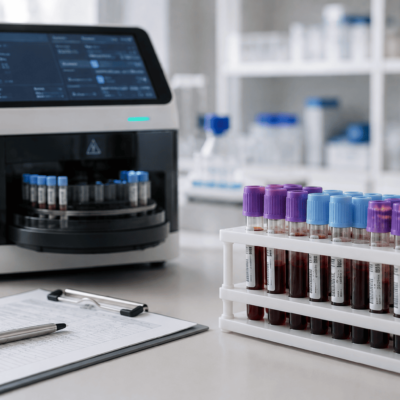








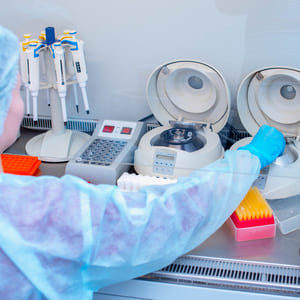



In clinical trials, the integrity and reliability of biological samples are vital to generating accurate and regulatory-compliant data. The Laboratory Sample Management Department plays a pivotal role in ensuring that every sample collected is properly handled, tracked, stored, and transported. This complex process involves a series of well-coordinated functions designed to maintain the quality and traceability of samples throughout the study lifecycle.
Key Functions of the Laboratory Sample Management
1. Sample Collection and Receipt
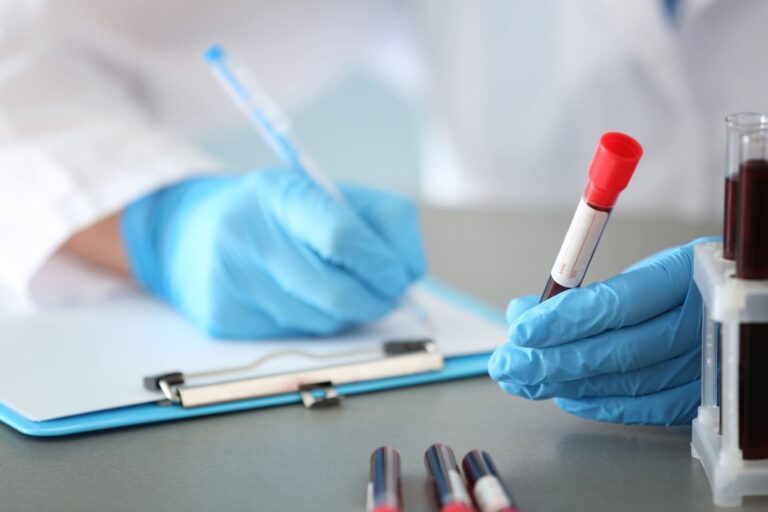
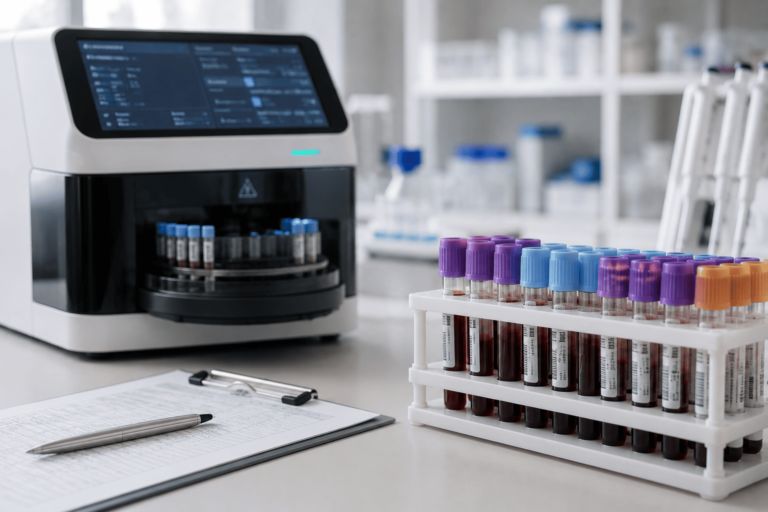
The foundation of sample management begins with proper receipt and identification of biological specimens from clinical trial sites. This process demands strict adherence to study protocols, Standard Operating Procedures, and consistent attention to detail. Each sample must be:
- Correctly identified and labeled, using barcode or QR code systems to reduce the risk of misidentification,
- Documented upon receipt, with reception time and condition checks recorded,
- Assessed for quality and compliance with study specific requirements,
- Promptly processed according to the analytical plan, minimizing degradation or delays.
This step is crucial to ensuring that only viable, correctly classified samples proceed to analysis.
Sample Management can face a lot of challenges during this process. For example: lack of data on sample label or requisition form, lack of sample label or requisition form, improper sample preparation, samples out of stability, damaged during transport etc. All these possible discrepancies must be carefully noted and process in accordance with Standard Operating Procedures (SOPs) and analytical plan regarding exact project.
2. Tracking and Documentation
Maintaining traceability of each sample throughout its journey is a core function of the department. Effective sample tracking allow for:
- Real-time monitoring of sample location, condition, and status,
- Comprehensive documentation of each sample’s lifecycle – from reception to testing or long-term storage,
- Audit readiness, as regulatory agencies require detailed records that prove proper handling at every stage.
These systems help prevent loss, misplacement, or unauthorized access, ensuring full accountability.
The main challenge at this point is to ensure that all samples will reach their destination in good condition, especially when the sender or recipient is from outside of the European Union. All additional documentation, such as proforma invoices or CDC statements, must be correctly prepared to avoid any delays during custom events. The other point is to establish the shipment schedule during holiday periods to ensure that all samples are safe.
3. Storage and Preservation
Different sample types require different storage conditions, often involving tightly controlled environments to preserve biological integrity. The department oversees:
- Temperature-specific storage devices, such as refrigerators (2–8°C), freezers (-20oC), or ultra-low freezers (80°C),
- Continuous environmental monitoring, with automated alerts in case of deviations,
- Routine validation and maintenance of storage equipment to prevent failure.
Proper storage not only maintains sample quality, but also supports long-term studies and re-analysis when needed.
In case of any emergency situation (for example freezer failure), the Sample Management Team can react immediately. If any issues or temperature deviations occur, responsible personnel are informed in real time by continuous environmental monitoring systems. It allows quick reaction and prevents samples from inappropriate conditions.
4. Logistics Coordination
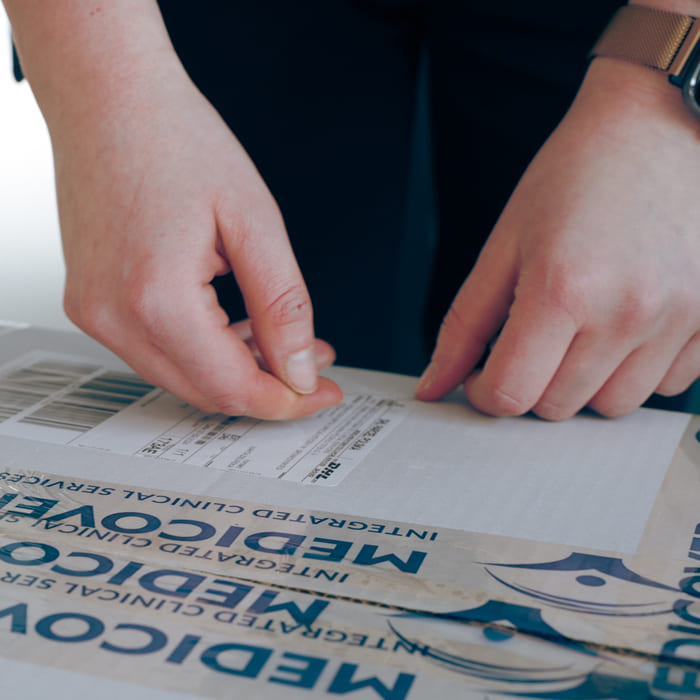
Once samples are ready to be transferred – whether central labs for analysis or external facilities for specialized testing—coordinated logistics become essential. The sample management team in cooperation with logistic department ensures:
- Timely and secure transportation, using validated shipping containers and temperature-controlled packaging,
- Compliance with shipping regulations, including customs requirements for international transfers,
- Communication with courier services and labs, to track shipments and resolve issues promptly.
Efficient logistics reduce the risk of delays, spoilage, or non-compliance, which can all compromise a clinical trial outcome.
At this step, the Sample Management Team is responsible for double-checking all samples which will be included in the shipment, as all data must correlate with documentation (requisition forms and shipment manifest) and database. When shipment is in transit, its status is regularly monitored to be sure that it will arrive at its destination on time. The whole process is finished when the recipient gives us confirmation that samples arrived in good condition.
Read more about Laboratory Sample Journey.
Conclusion
The Laboratory Sample Management Department is central to the success of clinical trials. By overseeing the proper collection, identification, tracking, storage, and transportation of samples, this department ensures the integrity and availability of critical biological materials. These functions of the laboratory sample management not only support high-quality data generation but also help ensure compliance with stringent regulatory standards.
As clinical trials continue to grow in complexity and global reach, the role of sample management becomes even more vital—bridging the gap between site-based sample collection and laboratory analysis with precision, reliability, and care.
Written by: Michał Widak
FAQs about functions of the laboratory sample management
1. What are the main functions of the laboratory sample management department in clinical trials?
The primary functions of the laboratory sample management department include sample receipt, identification, tracking, storage, preservation, and coordination of logistics. These steps ensure that every biological sample is handled correctly and remains traceable and compliant throughout the study lifecycle.
2. Why is proper sample receipt and identification essential in laboratory sample management?
Accurate sample receipt and identification are critical because they prevent misclassification, ensure study-specific compliance, and protect the integrity of the sample before analysis. This functions of the laboratory sample management supports reliable clinical trial data and reduces the risk of errors or deviations.
3. How does the laboratory sample management department track samples during a clinical trial?
Sample tracking is carried out using dedicated systems that record the sample’s location, condition, timestamps, and processing history. This functions of the laboratory sample management helps maintain full traceability, supports audit readiness, and ensures accountability at every stage of the sample journey.
4. What storage conditions are required to preserve biological samples in clinical trials?
Different samples require different storage environments – typically refrigerators (2–8°C), freezers (–20°C), or ultra-low freezers (–80°C). A key functions of laboratory sample management are continuous environmental monitoring to prevent deviations and preserve the integrity of all stored materials.
5. How does the laboratory sample management team manage sample logistics and shipment?
The logistics function (among all functions of the laboratory sample management) includes preparing documentation, verifying sample lists, coordinating courier services, and ensuring compliant, temperature-controlled packaging. The team also monitors shipments in transit and confirms delivery to ensure samples reach their destination safely and on time.